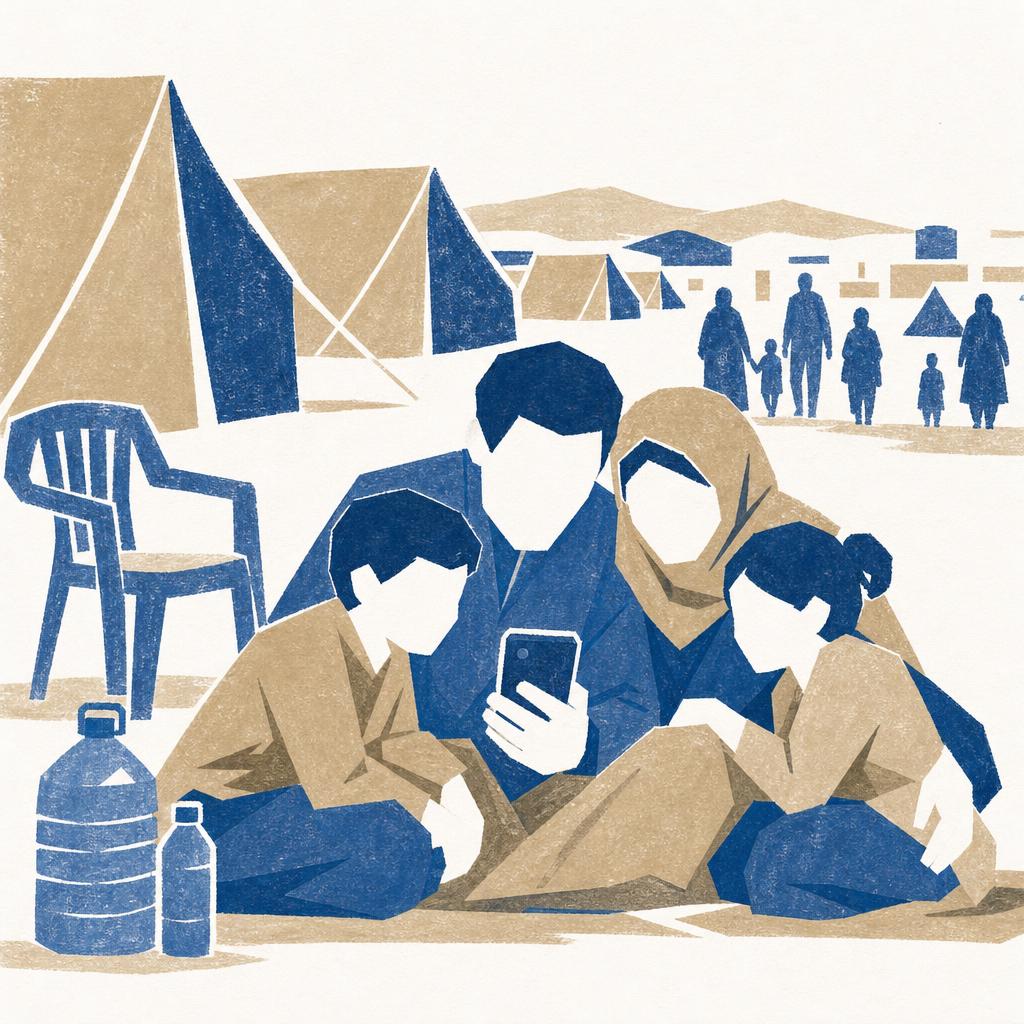
The World Food Programme announced in March 2025 it’s slashing food vouchers for Rohingya refugees from $12.50 to just $6 per person monthly. The 52% cut stems from what WFP calls ‘critical funding shortfalls’ — bureaucratic speak for donors looking elsewhere whilst nearly one million people face deeper hunger.
Refugees with Disabilities Hit Twice
This reduction strikes refugees with disabilities particularly hard. A wheelchair user has less possibilities for work and additional income for food. Losing half your food budget isn’t just hunger, it’s a health emergency. It forces dependency and reliance on others which increases the risks of exploitation and abuse. The intersection of disability and displacement creates compounding vulnerabilities that puts people with a disability in direct danger.
Phone Credit Becomes Lifeline
With less money for food, refugees with disabilities can’t budget for phone credit. Yet staying connected becomes more crucial when you’re navigating a community in crisis and worsening malnutrition whilst managing a chronic condition. A phone call to a support worker about increased support, safety, medical adjustments are all inaccessible to most refugess with a disability. The digital disability gap is real and connection is protection. A text to family abroad for emergency funds. These phone calls or texts aren’t luxuries — they’re survival tools. Our mobile credit programme removes one barrier when everything else is crumbling and agencies are cutting budgets in the face of lack of funding.
Numbers Don’t Lie
The Rohingya camps house roughly 36,000 people with disabilities according to UNHCR data. Each faces this voucher cut whilst dealing with limited accessible healthcare, inadequate assistive devices, and now deeper food insecurity. Phone connectivity offers a thread to support networks that can mean the difference between managing a condition and watching it deteriorate.
As with every refugee camp Applications from Cox’s Bazar refugees remain open for 2026.