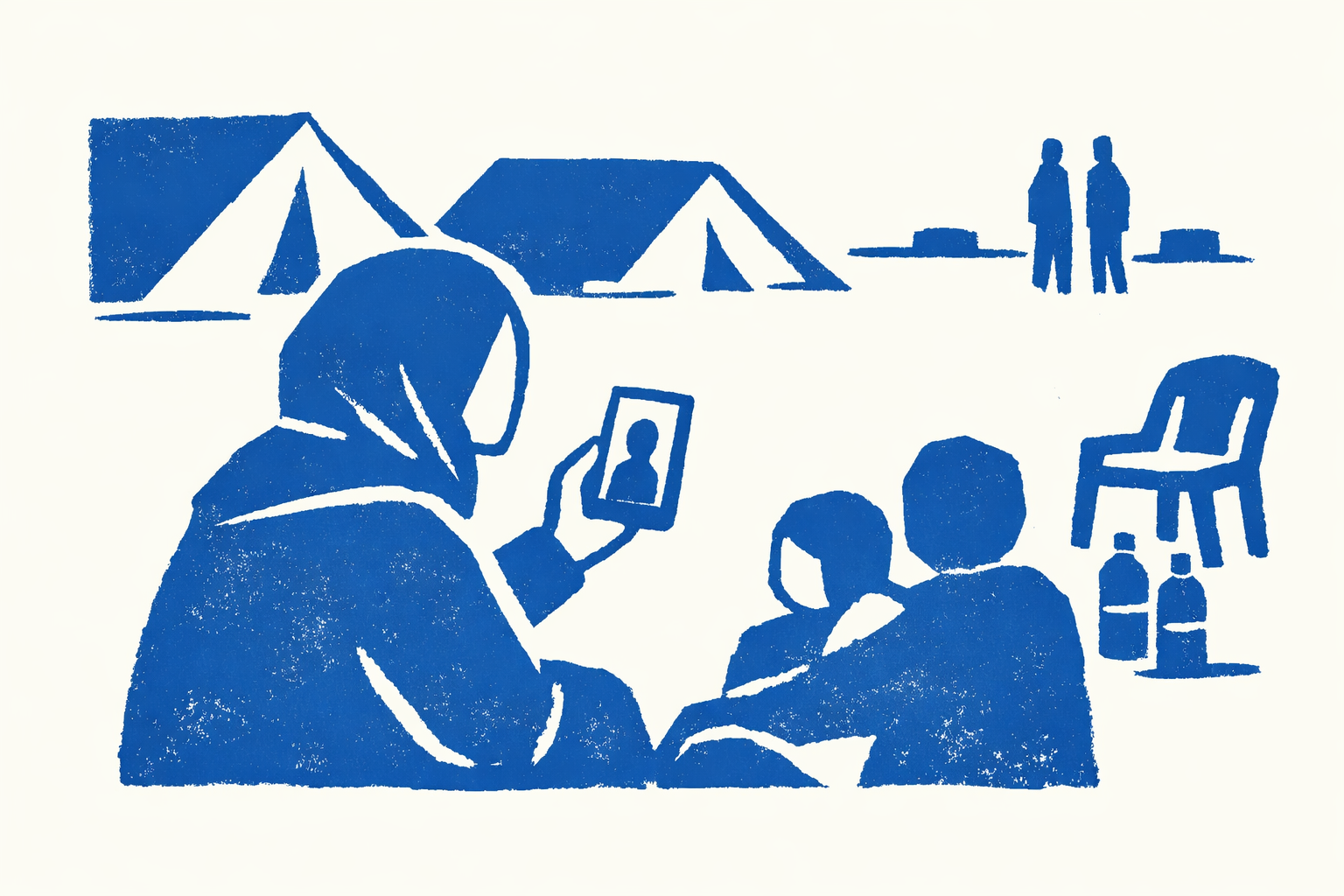
A deaf-blind refugee in Jordan owns a smartphone loaded with Nagish, the FCC-certified Ai app that converts speech to text and back again. The phone sits silent. No credit means no calls, no captions, no connection to the world.
Screen Readers Die Without Data Updates
NVDA and JAWS, the gold-standard screen readers, need regular updates to function with new app versions. A blind refugee in Lebanon’s Bekaa Valley cannot update NVDA without mobile data. The screen reader breaks when WhatsApp updates, cutting off family contact.
Braille displays connect to smartphones via Bluetooth, translating text into raised dots. But the phone apps feeding content to these £2,000 devices—messaging, banking, job applications—all require active phone service. The hardware works. The connection doesn’t.
Voice recognition software like Dragon Anywhere processes speech through cloud servers. Without data credit, a refugee with mobility limitations cannot dictate messages or navigate phone menus by voice. The technology exists in their pocket, unusable.
Dual-Mode Apps Demand Combined Packages
Nagish transforms communication for deaf-blind users. The app provides real-time speech-to-text during calls while speaking typed responses aloud. But it requires both voice minutes for the call connection and data credit for the Ai processing.
Most phone credit packages split voice and data. Refugees get one or the other, rarely both. A deaf-blind refugee in Turkey cannot make a captioned call to a doctor because their data-only package excludes voice service.
Real-time captioning apps like Ava and Live Transcribe need continuous data streams during conversations. Without sustained credit, a deaf refugee loses access mid-conversation when credit expires.
Camp Networks Block Assistive Features
Refugee camp WiFi networks often block the ports assistive apps require. Screen reader updates fail on restricted networks. Voice recognition apps cannot reach cloud servers through camp firewalls.
Targeted phone credit packages could unlock this trapped technology. Combined voice-data credit specifically for refugees with disabilities would activate existing assistive hardware.
The technology revolution promised independence for people with disabilities. For refugees, that promise sits locked behind phone credit paywalls. Apply for emergency credit to bridge this digital divide.