Category: Safety & Health

  • Phone-therapy is vital for  refugees with disabilities

    Phone-therapy is vital for refugees with disabilities

    The World Health Organization’s latest displacement report exposes a mental health crisis: 67% of refugees with disabilities experience severe depression, nearly double the rate of refugees without disabilities at 34%. In Syria alone, 13 years of conflict have left 28% of returnees living with disabilities, yet mental health services remain catastrophically underfunded.

    Clinic walls block 73% from traditional therapy

    Traditional therapy demands physical presence at clinics, but three-quarters of refugees with disabilities cannot reach these facilities. Mobility barriers, transport costs, and security concerns create insurmountable obstacles. In Jordan’s Zaatari camp, the nearest mental health clinic requires a 40-minute walk across uneven terrain—impossible for wheelchair users or people with mobility impairments.

    Mobile therapy breaks through at £2.50 per session

    WhatsApp-based therapy programs piloted in Jordan and Lebanon demonstrate breakthrough potential, achieving 89% satisfaction rates among participants. These mobile mental health services cost just £2.50 per session through voice messages, allowing therapists to provide culturally sensitive support in participants’ native languages. The UNHCR estimates scaling mobile therapy could reach 2.8 million displaced adults with disabilities globally.

    Phone credit becomes therapeutic lifeline

    The technology works, but consistent connectivity remains the barrier. Without mobile top-ups, refugees with disabilities lose access to the only mental health support reaching them in camps and informal settlements. When phone credit runs out, therapeutic relationships collapse. Free mobile credit transforms from basic communication into essential healthcare infrastructure for displaced people with disabilities worldwide.

  • Johns Hopkins: 84% of refugees prefer therapy by WhatsApp

    Johns Hopkins: 84% of refugees prefer therapy by WhatsApp

    Refugees with disabilities are abandoning clinic chairs for encrypted chat windows. Johns Hopkins’ 2024 Global Refugee Mental Health Study found 84% of adult refugees with disabilities prefer receiving psychological support through messaging apps rather than traditional face-to-face counseling.

    Jordan camp proves WhatsApp beats waiting rooms

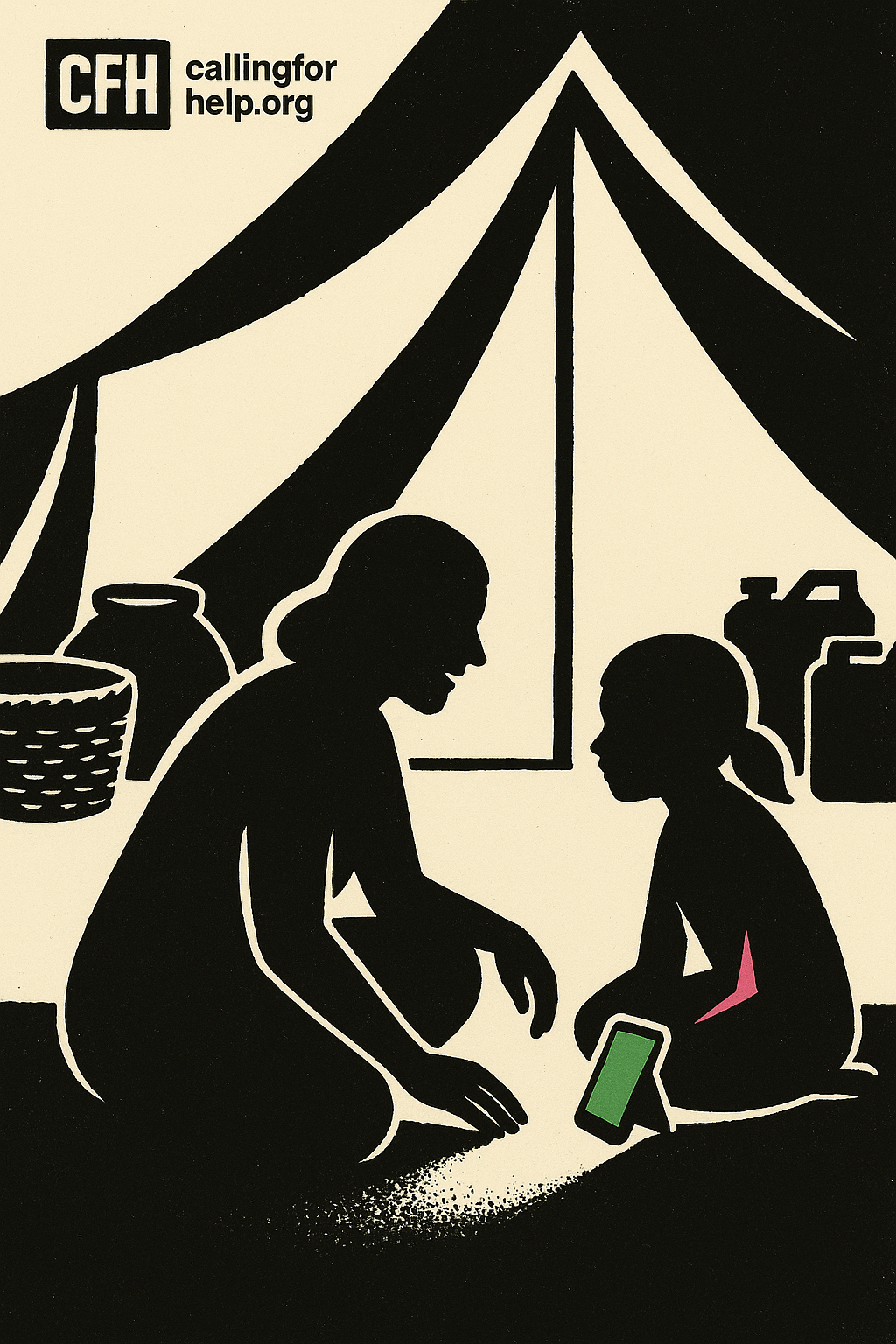
    At Jordan’s Zaatari camp, UNHCR’s pilot program tracked refugees with PTSD accessing therapy through WhatsApp versus clinic visits. The messaging group showed 40% better treatment adherence. Women with disabilities who faced cultural barriers attending mixed-gender facilities could finally access care privately. Adults with mobility impairments no longer needed to travel to distant health centers. The phone became their therapist’s office.

    Arabic chatbots serve 127,000 across Middle East

    Médecins Sans Frontières reports their Arabic-language mental health chatbots now serve 127,000 refugees across the Middle East. Usage spikes among those with hearing impairments who struggle with spoken therapy. But the digital divide cuts deep: refugees who cannot afford regular phone credit miss sessions and lose therapeutic momentum. Their mental health deteriorates not from lack of treatment options, but from empty phone balances.

    Phone credit becomes medical infrastructure

    The study recommends treating mobile credit as medical infrastructure—equivalent to providing medications or medical equipment for effective healthcare delivery. When a refugee with depression cannot afford to top up their phone, they lose access to their therapist as surely as if their clinic closed. Calling for Help recognizes this reality: phone connectivity isn’t luxury tech for refugees with disabilities, it’s essential mental health infrastructure that keeps treatment flowing when everything else fails.
  • Somalia’s drought warnings miss 68% of displaced adults with disabilities

    Somalia’s drought warnings miss 68% of displaced adults with disabilities

    The Somali Meteorological Agency broadcasts drought warnings across the airwaves, but two-thirds of adults with disabilities never hear them. As Somalia’s climate crisis displaces 2.6 million people since 2021, traditional warning systems are failing the most vulnerable.

    When radio fails, lives hang in balance

    Research by the Somali Disability Forum reveals a stark gap: 68% of adults with disabilities receive disaster warnings late or not at all. Radio broadcasts reach most Somalis, but adults who are deaf miss audio alerts entirely. Those with intellectual disabilities struggle with complex meteorological terminology. Meanwhile, UNHCR projects displacement will worsen through 2026 as droughts intensify. The current system assumes everyone can hear, understand, and act on radio warnings—assumptions that cost lives.

    Mobile phones offer hope, but data costs £2.75 per gigabyte

    Smartphones could transform climate communication for people with disabilities. Visual alerts, vibration notifications, and simplified language could reach everyone. But mobile data in Somalia costs $3.50 per gigabyte—8.9% of monthly income for displaced populations. Adults with disabilities, facing employment discrimination, earn even less. The World Meteorological Organization calls for inclusive climate adaptation, yet connectivity remains unaffordable for those who need it most.

    Credit where it counts

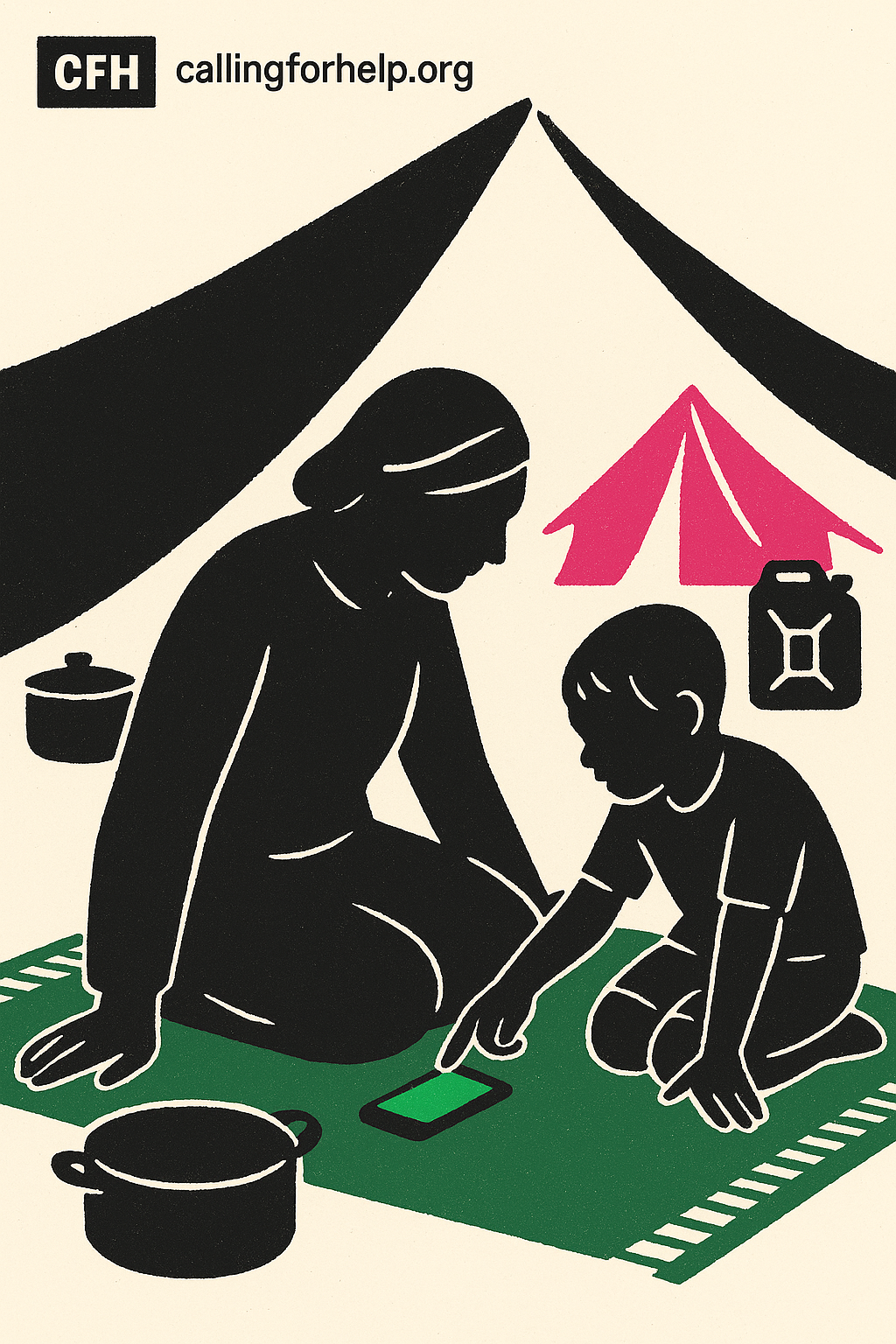
    Mobile phone credit programmes could bridge this life-threatening gap. When adults with disabilities can afford data, they access weather apps with accessible features. They receive visual storm warnings, simplified drought updates, and location-specific alerts. Free mobile credit transforms phones from luxury items into survival tools. In a climate emergency that’s displacing millions, inclusive early warning systems aren’t optional—they’re essential.