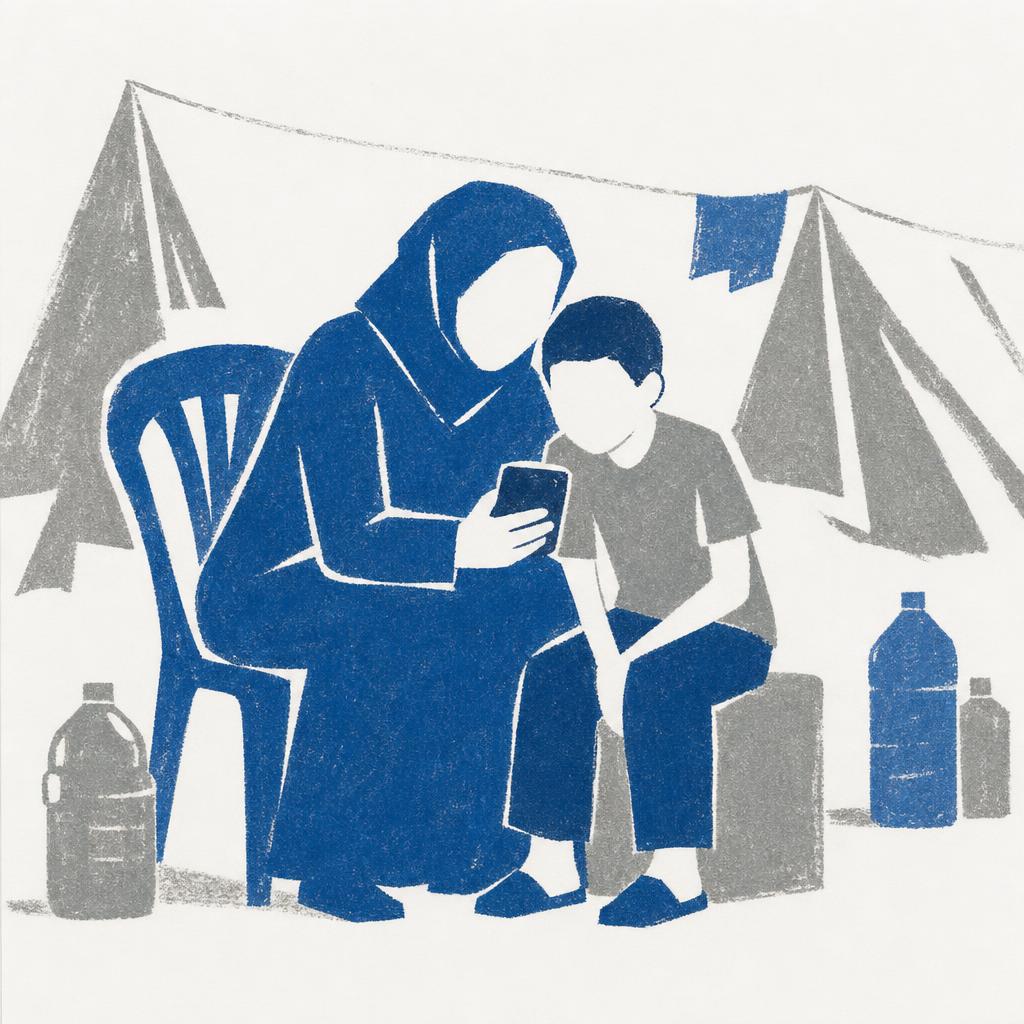
The Global Disability Inclusion Report 2025 drops a number that should make governments squirm: transforming disability services worldwide would cost just 0.1–0.5% of GDP. That’s pocket change in national budget terms, yet 1.3 billion people with disabilities remain locked out of basic services.
The connectivity gap hits hardest
For refugees with disabilities, that statistical reality becomes survival math. Without mobile connectivity, a wheelchair user can’t book medical appointments. A deaf refugee can’t access interpretation services. A person with visual impairments can’t navigate transport apps. The digital divide isn’t just inconvenient—it’s isolating and dangerous.
Small investment, massive impact
Here’s what 0.5% of GDP actually means: for wealthy nations spending 2-3% of GDP on defence, disability inclusion represents a fraction of military budgets. Mobile credit costs pennies per person, yet it unlocks everything from emergency contacts to government services. When disability and displacement intersect, connectivity becomes the difference between integration and isolation.
Beyond the statistics
CFH operates in this funding gap, sending mobile credit to refugees with disabilities one person at a time. Each top-up costs £5–10 but connects someone to healthcare, employment, family. It’s the smallest piece of that 0.5% puzzle, yet it works immediately. No bureaucracy, no delays, just connection. Ready to bridge the gap? Apply here if you’re a refugee with disabilities needing mobile credit.