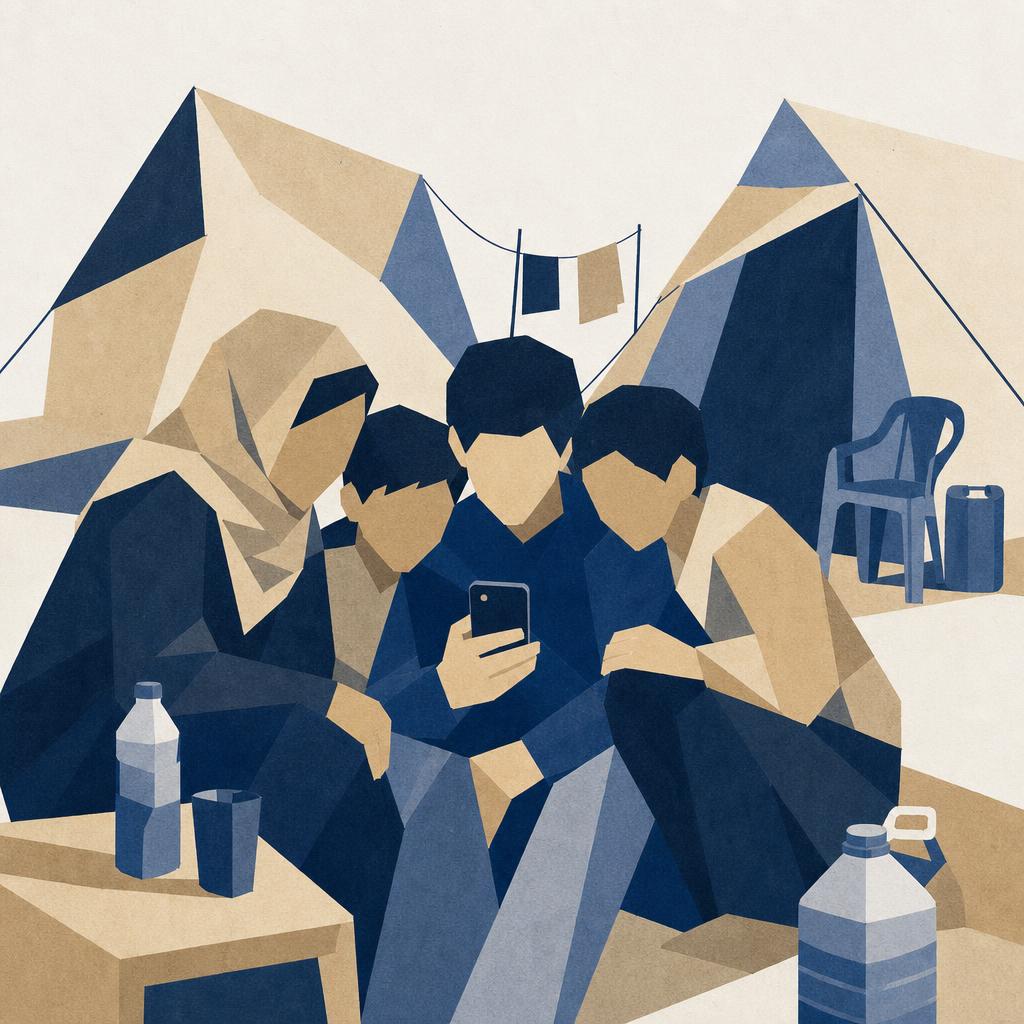
Refugees with disabilities are 50% less likely to have internet access than the general population, according to 2019 research from the GSMA mobile industry association. This stark gap means millions of displaced adults with disabilities remain isolated from the digital lifelines that could transform their circumstances.
The Numbers Behind the Digital Divide
The GSMA study tracked connectivity across refugee settlements and urban displacement contexts globally. While internet penetration has grown in many regions, refugees with disabilities consistently lag behind. The 50% deficit isn’t just about slower adoption—it reflects compounding barriers including poverty, inaccessible technology, and limited infrastructure in displacement settings.
When Disconnection Means Danger
Without internet access, refugees with disabilities can’t reach humanitarian databases, register for services, or maintain contact with support networks. A blind refugee in Lebanon can’t access audio-enabled job platforms. A deaf asylum seeker in Germany misses critical appointment notifications sent via messaging apps. These aren’t inconveniences—they’re barriers to survival and integration that deepen existing vulnerabilities.
Mobile Credit as Digital Medicine
Phone credit removes the immediate financial barrier to connectivity. When CFH tops up a mobile account, that adult with disabilities gains access to WhatsApp calls with family, government service portals, and emergency contacts. It’s direct intervention in the digital divide. Applications are open for refugees with disabilities who need this connection restored.