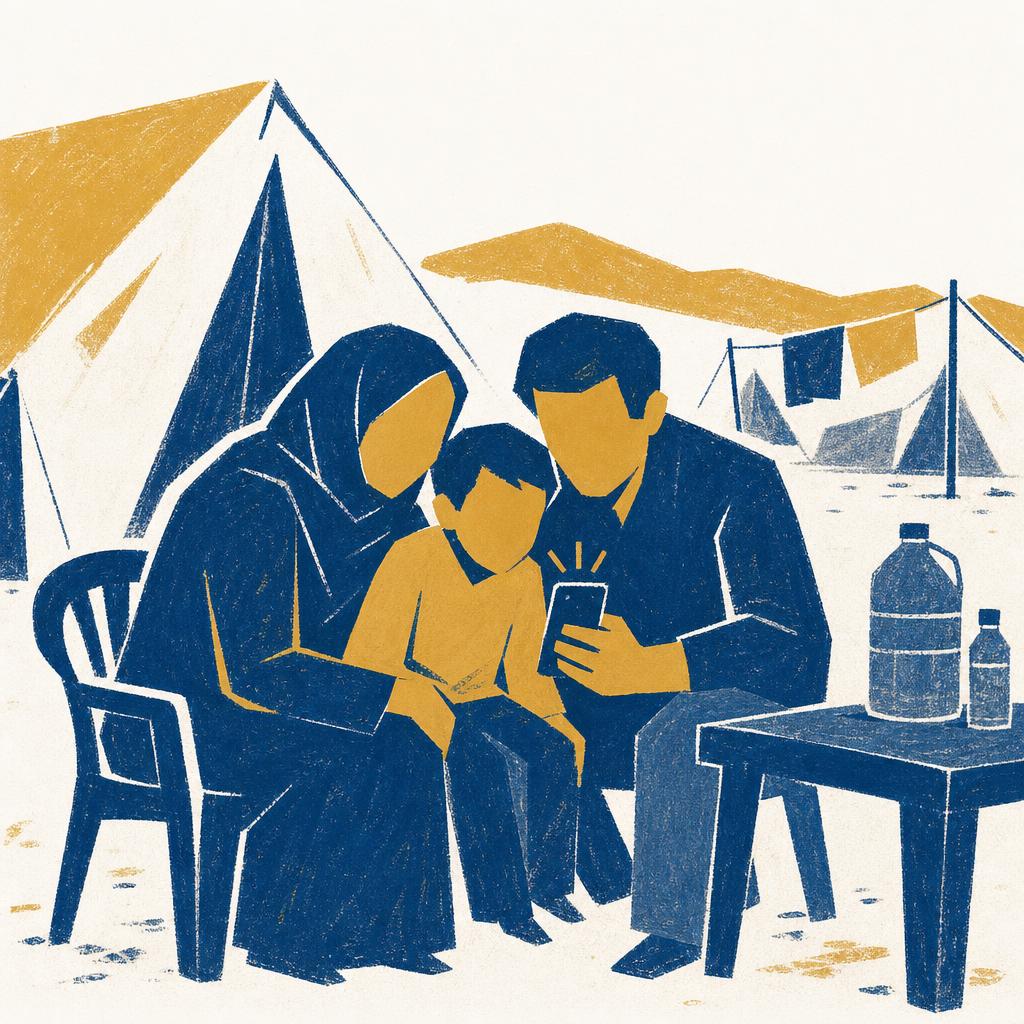
Sudan’s refugee funding has collapsed by nearly three-quarters this year, with monthly per capita support crashing from $11 to just $4. The financial freefall hits hardest among the 1.2 million refugees with disabilities, who now face impossible choices between food, shelter, and staying connected to the world.
Communication becomes luxury as basic needs compete
When your monthly allowance barely covers a loaf of bread, mobile phone credit becomes an unaffordable luxury. Yet for refugees with disabilities, that phone connection often serves as their primary link to healthcare appointments, family networks, and emergency services. The funding cuts force people to choose between eating and calling for help when they need it most. Many simply go silent.
Isolation deepens as support networks fracture
The digital divide widens when people cannot afford basic connectivity. Refugees with disabilities who relied on mobile apps for navigation assistance, translation services, or coordinating care now find themselves increasingly isolated. Support groups that once connected through messaging apps dissolve when members cannot maintain their phone service. The psychological toll compounds the physical challenges they already face.
Mobile credit fills critical gaps
Free mobile phone credit does not solve Sudan’s funding crisis, but it does restore one essential lifeline. When a wheelchair user can call their doctor, or someone with vision loss can access audio news updates, or a refugee with hearing difficulties can text their caseworker, communication barriers start to crumble. Apply for phone credit if you are a refugee with disabilities who needs to stay connected.