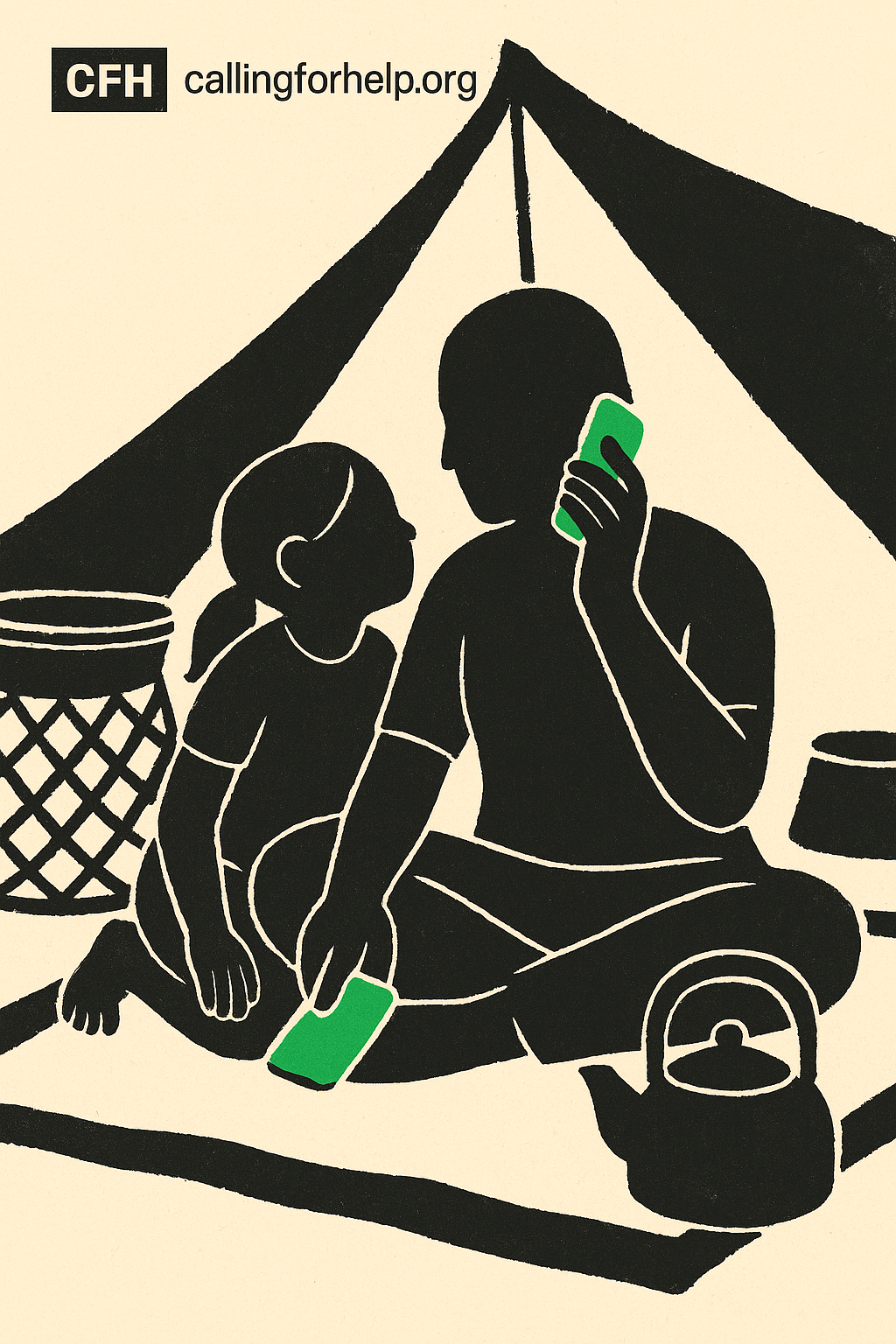
Two years without phones or internet has left 336,000 adults with conflict-related disabilities in Ethiopia’s Tigray region unable to navigate the digital systems now required to receive aid. The telecommunications blackout from 2020-2022 didn’t just cut communication—it severed an entire generation of adults with disabilities from digital literacy training and adaptive technologies they desperately needed.
Digital exclusion hits hardest after conflict
Today, 84% of adult refugees and internally displaced people with disabilities in Tigray can’t use humanitarian apps or access mobile money services. Traditional literacy programs systematically exclude adults with intellectual disabilities, while digital interfaces remain inaccessible to blind and deaf users. The Ethiopian government’s new requirement for all humanitarian apps to support Amharic and Tigrinya languages has made things worse—screen readers struggle with these scripts, creating another barrier for adults who’ve already lost so much.
Phone credit opens doors to voice-based services
Mobile credit becomes crucial when it provides access to simplified, voice-based services that work around different disability types and literacy levels. But connectivity comes at a brutal cost in post-conflict Tigray—mobile data prices remain 300% higher than before the war due to infrastructure damage. Adults with amputations from artillery strikes, traumatic brain injuries, and conflict-related blindness need targeted phone credit programs that include digital literacy components, ensuring they can actually use their connectivity for medical appointments, aid services, and finding family members.
Without phone access, these 336,000 adults remain invisible to digital humanitarian systems designed to help them. Apply for mobile credit if you’re an adult refugee with disabilities who needs connectivity to access essential services.