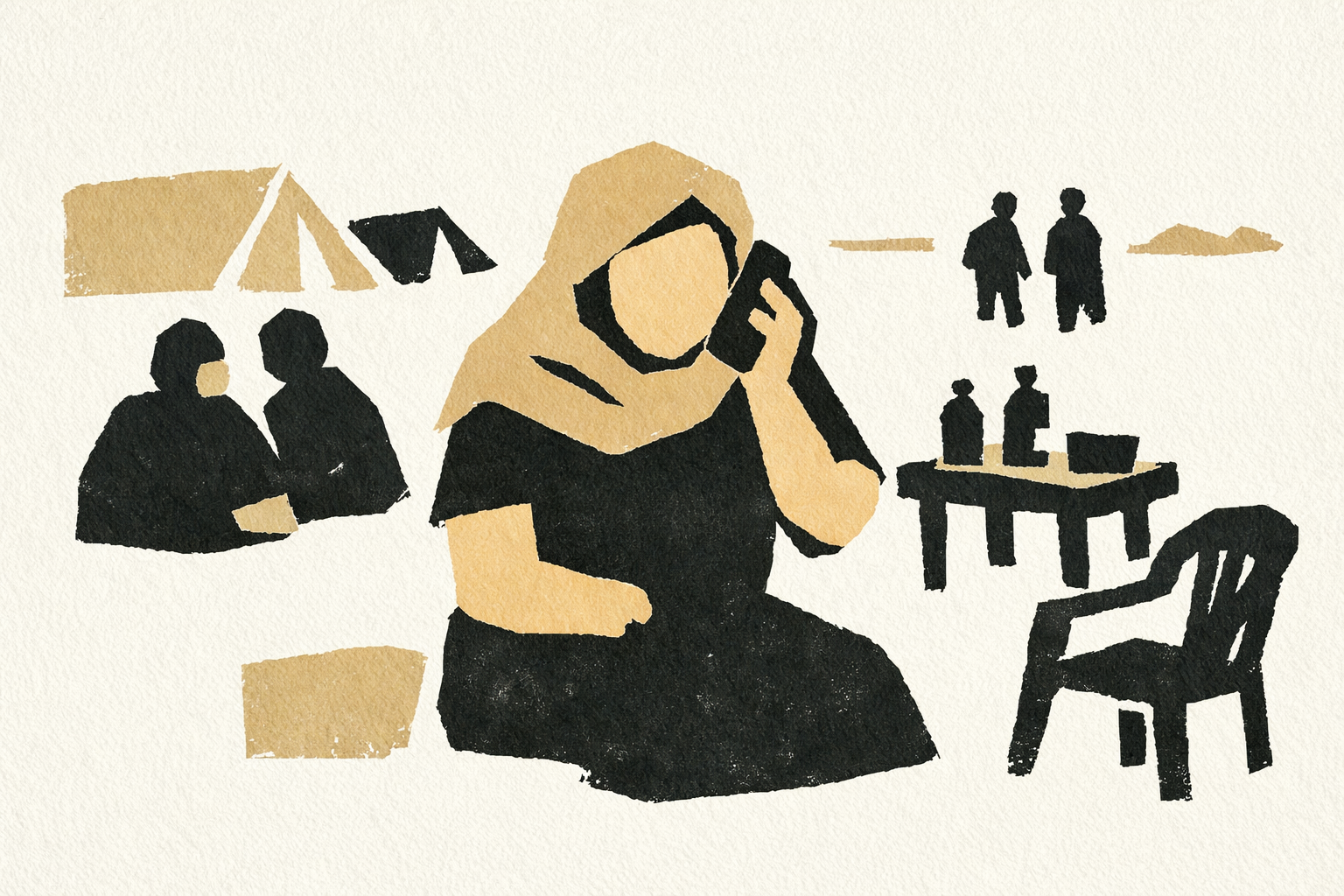
Humanitarian agencies spend millions on phone credit programs without knowing if they reach refugees with disabilities. UNHCR and Humanity & Inclusion collect disability data through Washington Group Questions, but cash and credit programs ignore it entirely.
Standard Questions, Missing Answers
The Washington Group Questions ask six standardised queries about seeing, hearing, walking, remembering, self-care, and communication difficulties. UNHCR’s proGres registration system captures this data when refugees arrive at camps in Jordan, Kenya, Bangladesh. Humanity & Inclusion uses WGQs across 60 countries to identify people with disabilities.
But phone credit distributions never check this data. A program might send airtime to 10,000 refugees without knowing how many use screen readers, need captioning services, or require voice-based payment systems. Disability and displacement creates compounding barriers that remain invisible to program managers.
Credit Without Access Equals Exclusion
A refugee using a screen reader cannot access mobile banking apps without data credit for the accessibility software. A deaf refugee needs call credit for captioning relay services that cost three times standard rates. A blind refugee requires voice-based payment systems that burn through airtime faster than text transactions.
Yet credit programs distribute identical amounts to everyone. No additional data allowances. No relay service credits. No accessible banking app support. The digital divide hits refugees with disabilities hardest because programs design for the mythical ‘average’ user.
Data Exists, Systems Don’t Connect
The accountability gap isn’t about missing information. UNHCR’s proGres system holds disability status for millions of registered refugees. Humanity & Inclusion maintains detailed assessments using WGQ short sets and extended modules.
But cash program databases rarely link to registration data. Distribution lists show phone numbers, not accessibility needs. Program reports count total beneficiaries, never disability breakdowns. Agencies cannot prove they serve refugees with disabilities equitably because they never measure it.
This creates a vicious cycle: programs appear successful while systematically excluding the most marginalised refugees. Without disaggregated data, agencies cannot identify barriers, adjust programming, or demonstrate accountability to people with disabilities.
Apply for phone credit if you’re a refugee with disabilities who needs connectivity support.