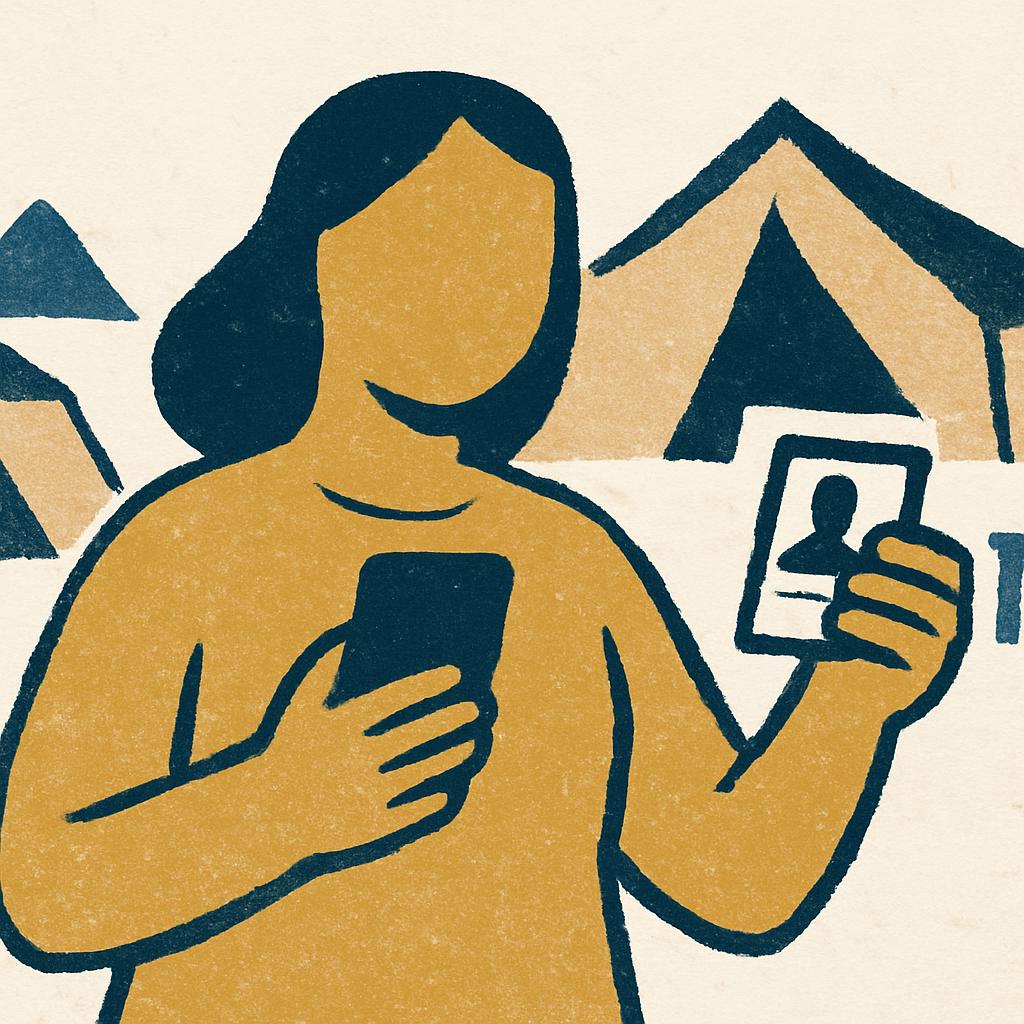
Your SIM card holds more identity data than your passport in half the world’s countries. For refugees with disabilities who’ve lost physical documents, mobile credit isn’t just connectivity—it’s proof you exist.
SIM Registration Creates Digital Footprints
Most countries require ID verification to buy a SIM card. Once registered, that mobile number becomes a persistent identifier across banking, healthcare, and government services. In Kenya, M-Pesa mobile money serves 30 million users who access financial services through their phone numbers alone. When refugees with disabilities lose physical documents during displacement, their registered mobile number often remains their only verifiable identity marker. Regular phone credit top-ups keep that number active, preserving access to digital identity systems that formal paperwork can’t replace.
Mobile Money Replaces Banking Without Documents
Traditional banks demand multiple identity documents most refugees don’t possess. Mobile money operators accept phone numbers as primary identifiers. In Uganda, where 1.5 million refugees live, mobile money transactions reached $6.8 billion in 2023. Refugees with disabilities use mobile credit to maintain accounts that would otherwise require birth certificates, national IDs, or utility bills they lost crossing borders. That £5 top-up preserves access to wages, remittances, and savings when no bank will open an account.
Credit Maintains Healthcare and Service Access
Healthcare providers increasingly use mobile numbers for patient records and appointment systems. In Jordan, 89% of Syrian refugees access services through mobile-first platforms. Refugees with disabilities rely on these systems for specialist care, assistive device maintenance, and medication refills. When phone credit runs out, the number goes dormant, severing connections to medical records and support networks. Understanding the digital divide reveals how mobile credit functions as identity infrastructure, not just communication. Regular top-ups ensure people with disabilities remain visible in systems designed around digital identity markers.