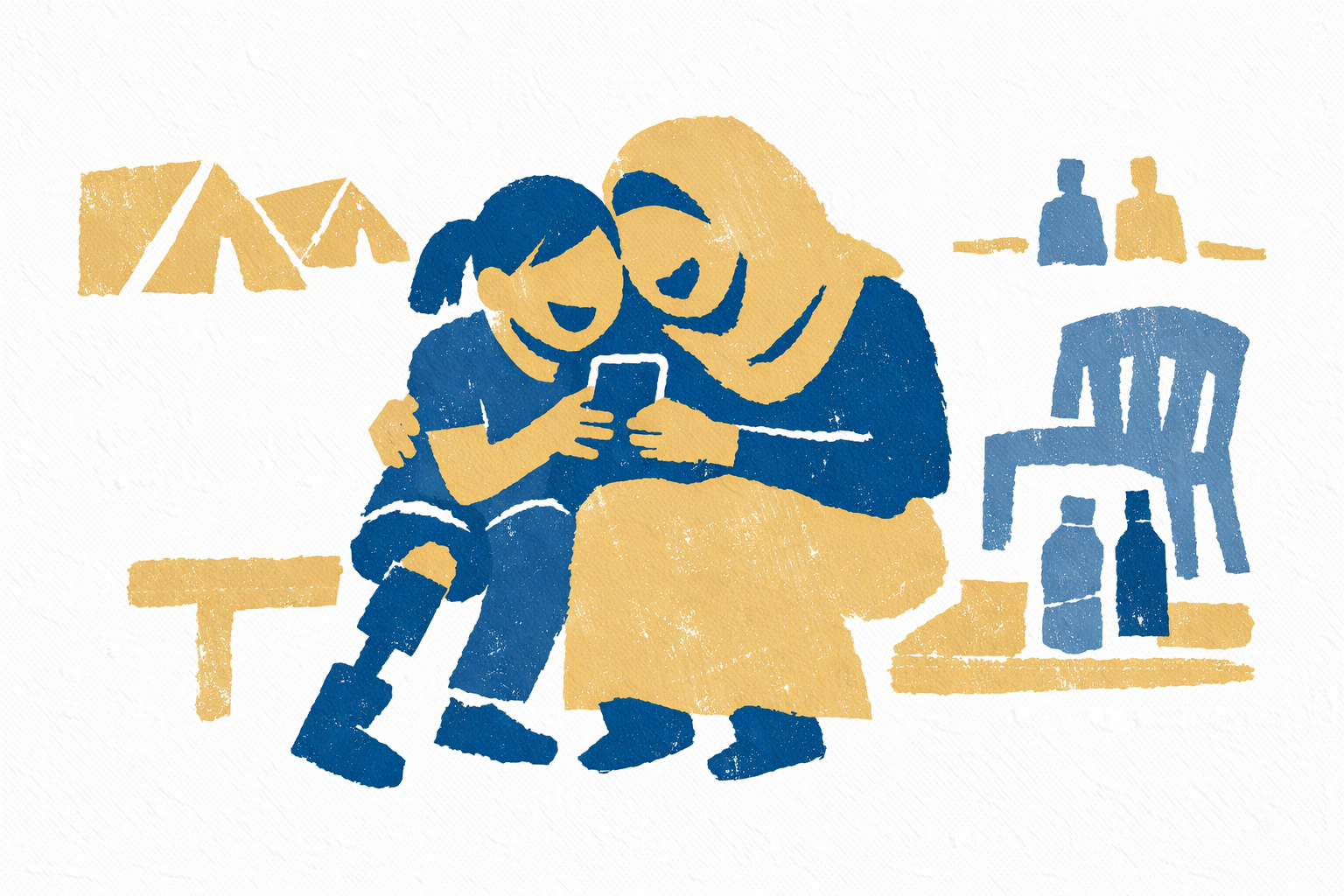
Refugees with disabilities face a brutal arithmetic: they’re 50% less likely than other refugees to own internet-enabled phones, yet they need digital connectivity more than anyone else to survive displacement.
The Numbers Don’t Lie
UN data shows this digital divide cuts deepest among people with disabilities. While 73% of refugees without disabilities access smartphones, only 37% of refugees with disabilities do. The gap widens in camp settings, where rationed electricity and limited charging points favour the physically able. A wheelchair user in Za’atari camp told researchers she traded food vouchers for phone credit because ‘calling my doctor in Amman means I eat tomorrow’.
Survival Through Signal Bars
Internet access isn’t luxury for refugees with disabilities — it’s life support. They use phones to book accessible transport, locate disability services, and maintain contact with medical providers across borders. Displacement strips away the support networks most take for granted, leaving mobile connectivity as the only thread to essential services. Free credit ensures that emergency call gets made, that prescription gets renewed, that social worker gets reached.
Anytime, Anyplace Access
Traditional aid operates on schedules and locations that exclude many people with disabilities. Clinics close. Offices require travel. Phone credit works differently — it delivers help when and where it’s needed most. A blind refugee in Berlin uses credit at 3am to access audio maps for morning appointments. Our service recognises this reality, sending credit that works across networks and borders, 24 hours a day.