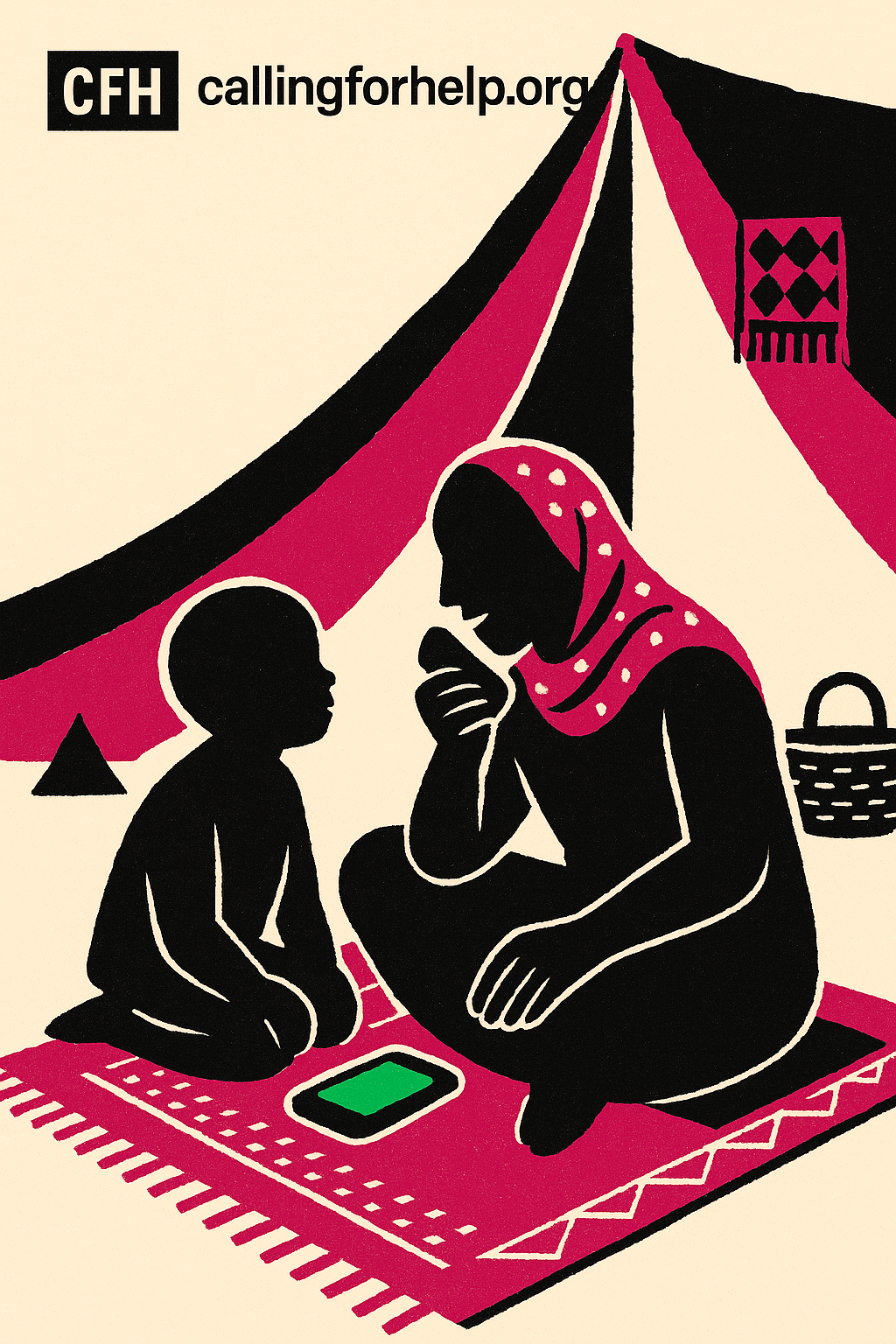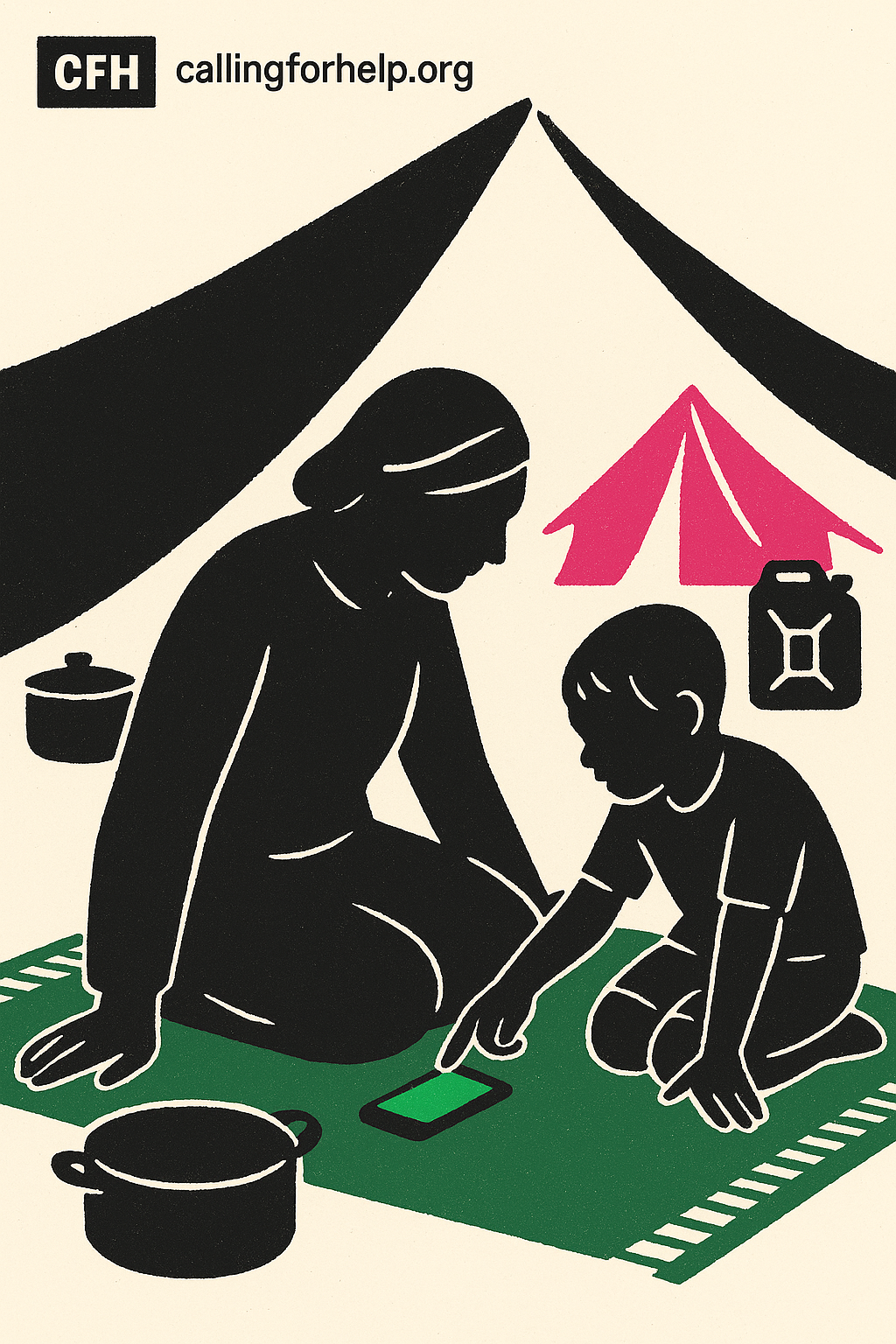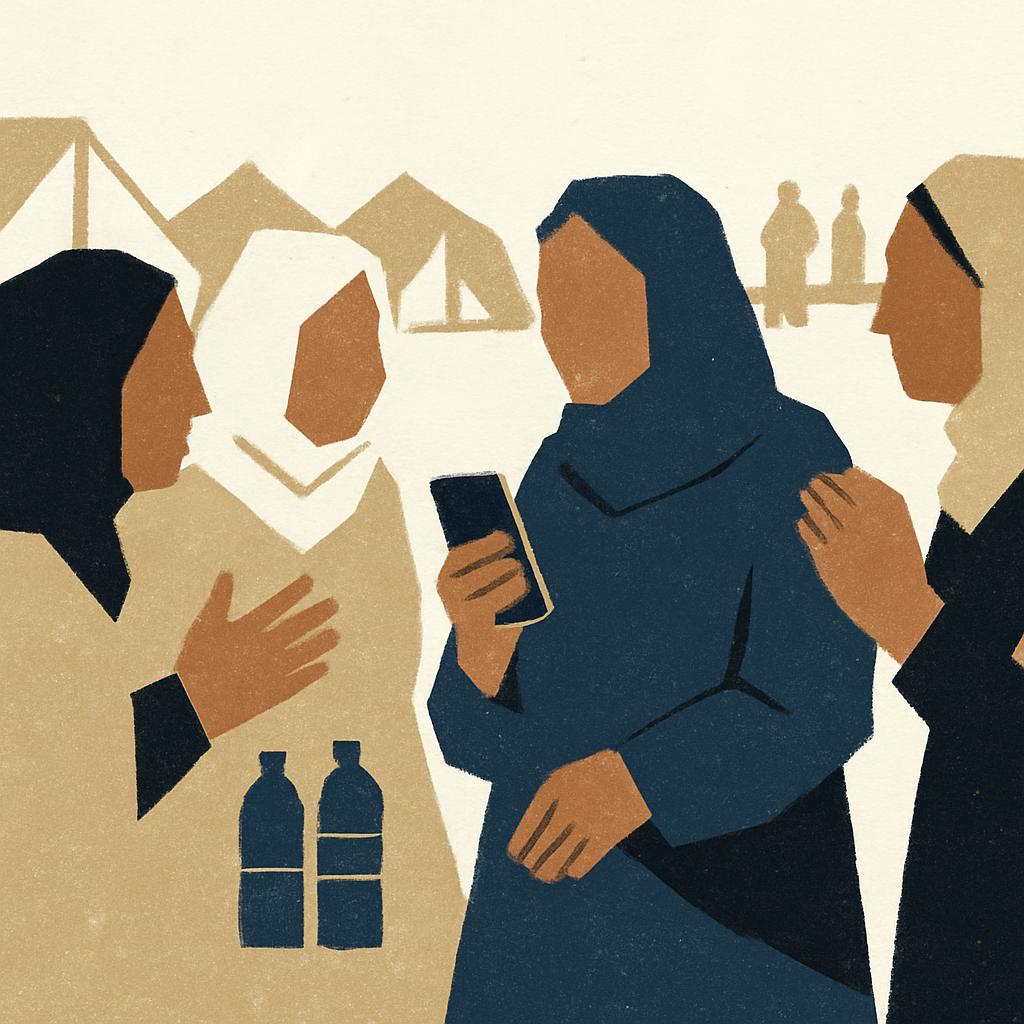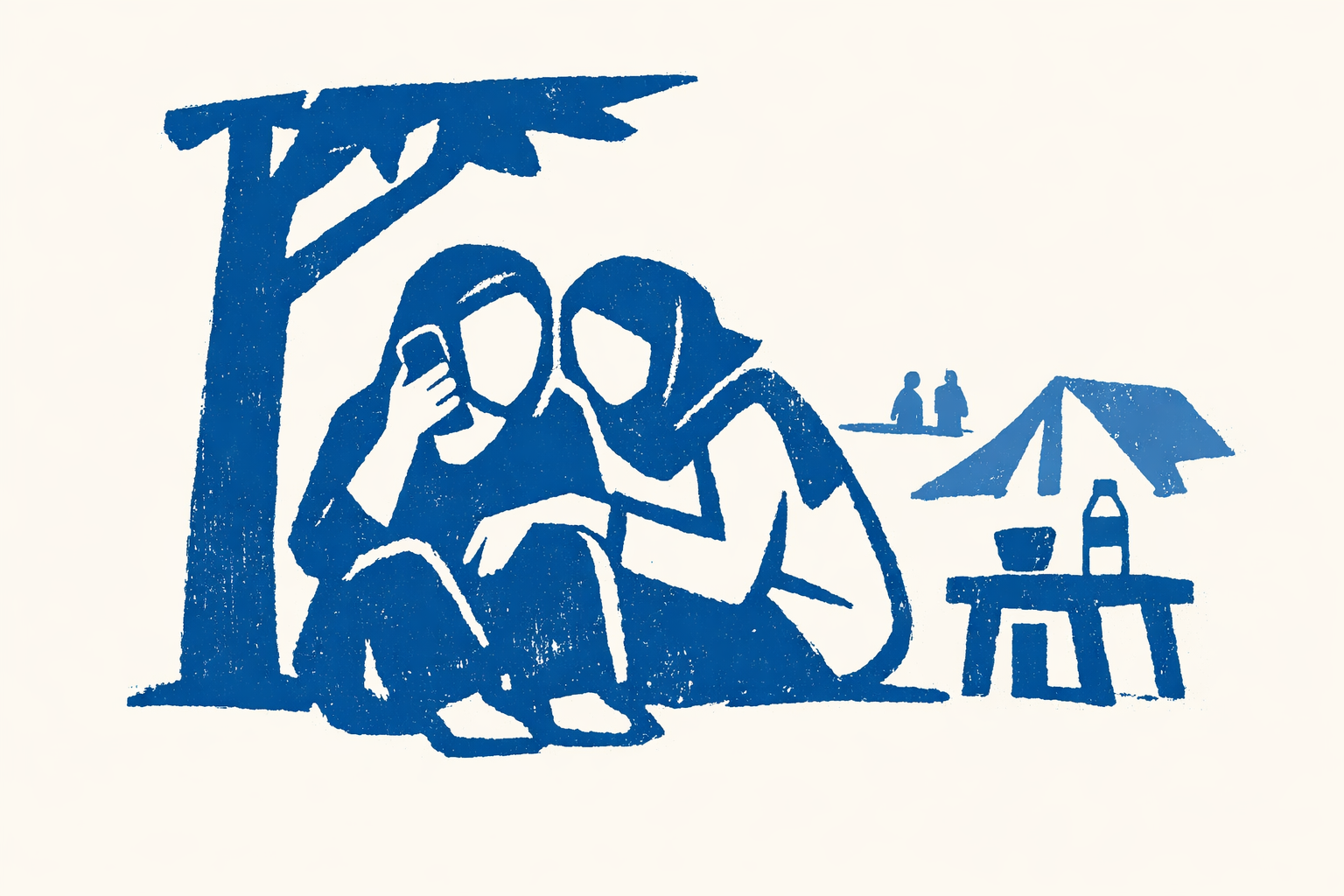
Category 5 cyclones tore through Madagascar last year, leaving 43,000 adults with permanent disabilities among 180,000 climate migrants. Pakistan’s superfloods created 67,000 adult amputees now scattered across displacement camps. These aren’t statistics from separate crises — they’re snapshots of climate change manufacturing a new category of refugees with disabilities.
When Weather Creates Permanent Wounds
WHO data reveals adults injured in climate disasters are 4.7 times more likely to develop long-term disabilities compared to conflict-related injuries. The difference isn’t just medical — it’s systemic. A father loses his leg to cyclone debris, then loses his home to storm surge. A woman develops severe PTSD after watching floods destroy her village, then can’t access mental health care because she’s living in a tent. Traditional displacement responses weren’t designed for people navigating fresh trauma and new impairments simultaneously.
Old Systems, New Disabilities
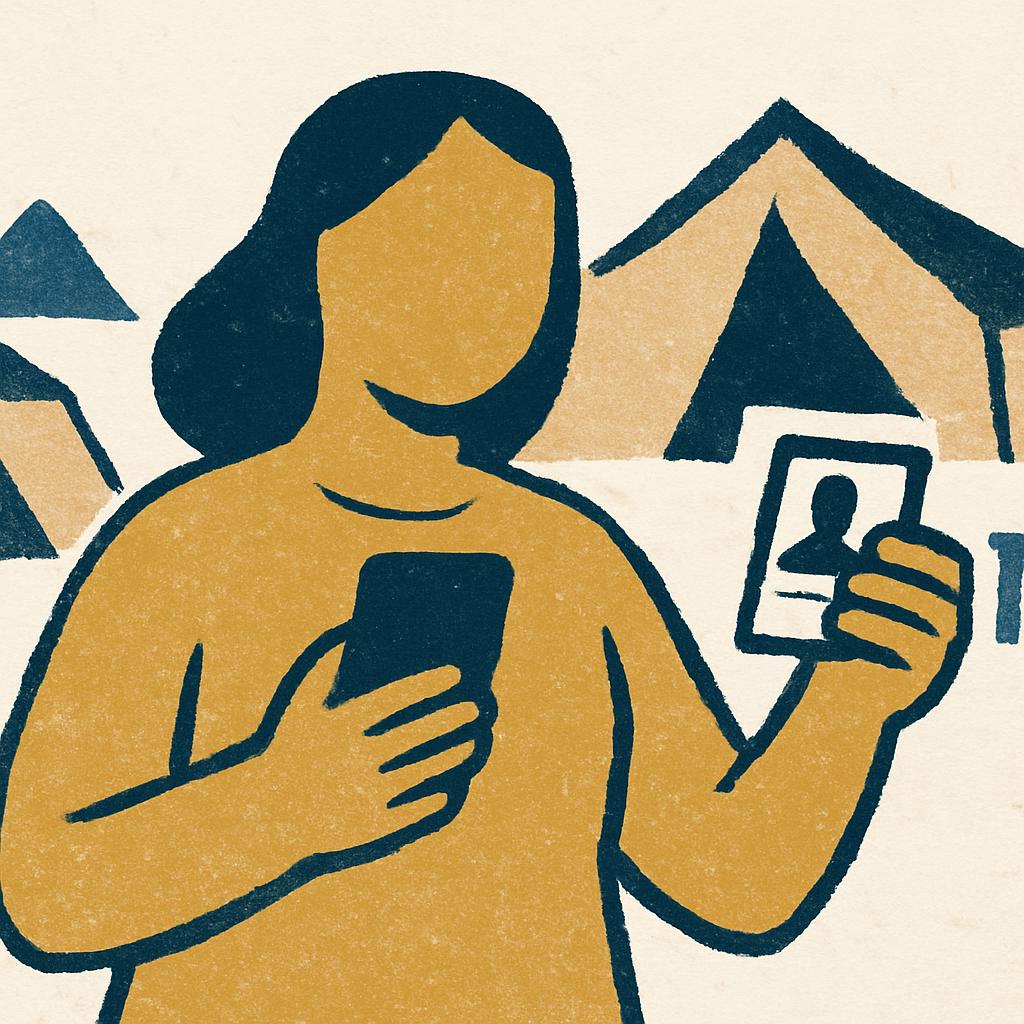
UNHCR’s identification systems struggle with climate-disabled refugees. Forms designed for established disabilities don’t capture trauma-induced cognitive impairments or the complex grief of losing both home and physical function. A wheelchair user who’s been navigating barriers for decades has different needs than someone who lost mobility three weeks ago in a hurricane. These newly disabled adults lack support networks, assistive technology knowledge, and often the vocabulary to describe their needs to aid workers.
Phone Lines to New Lives
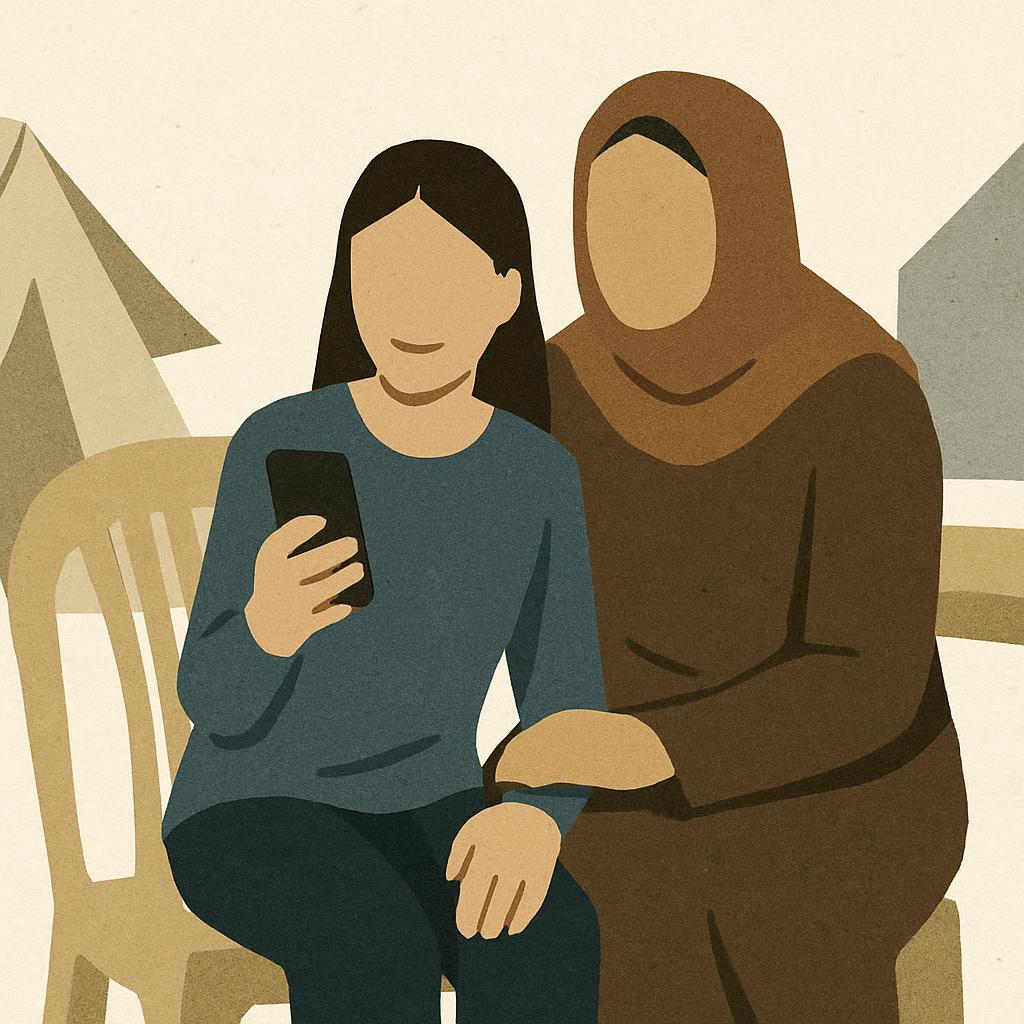
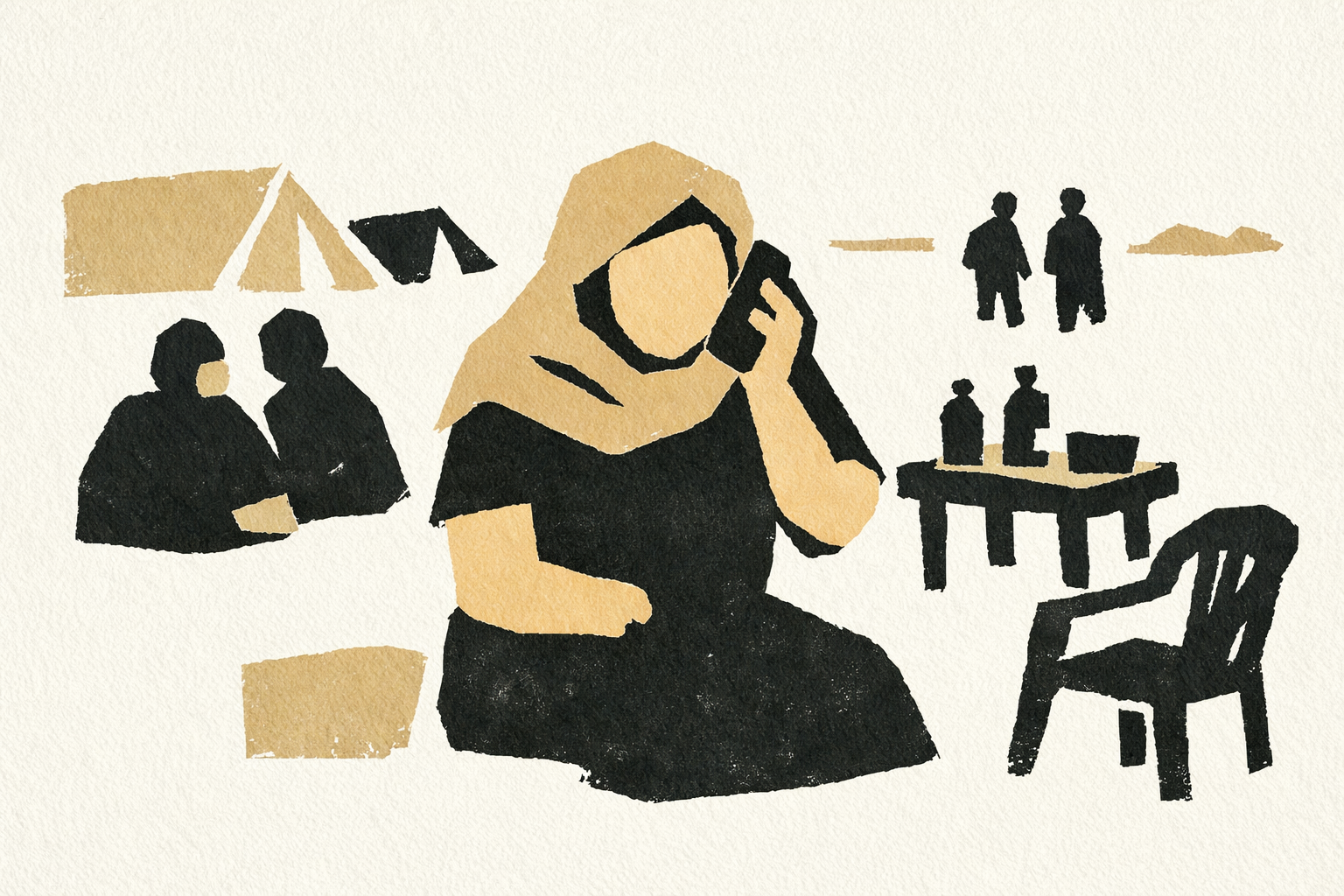
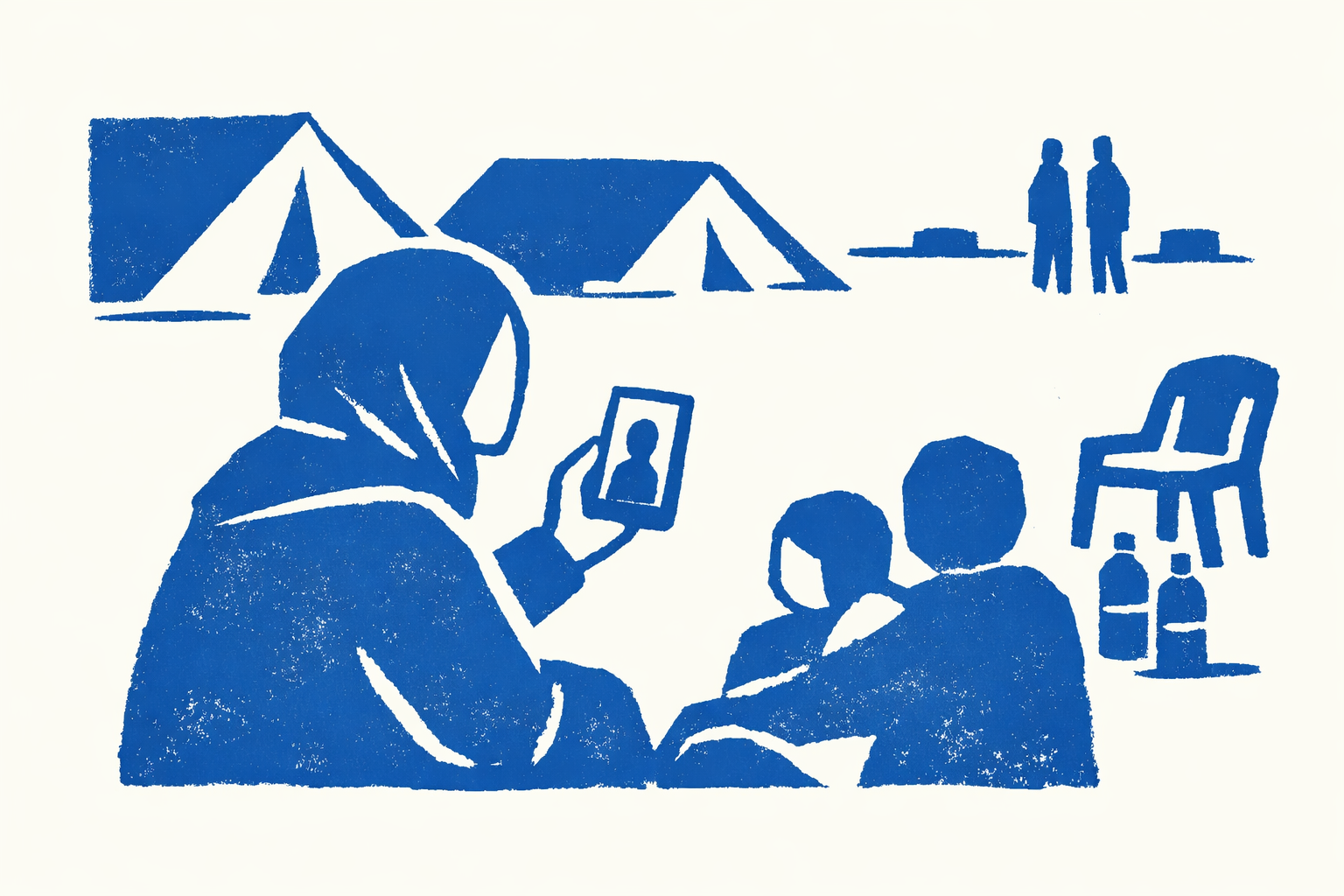
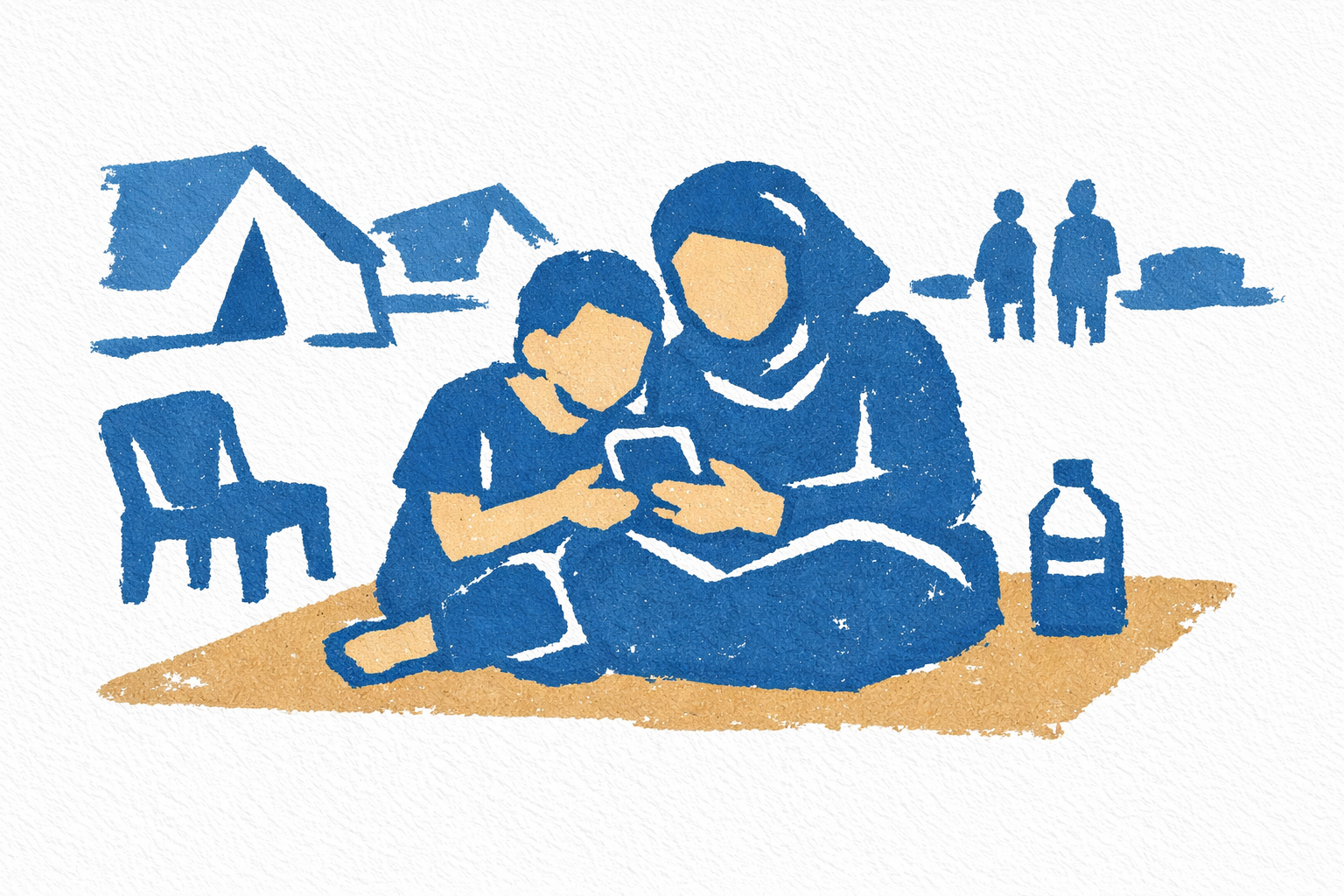
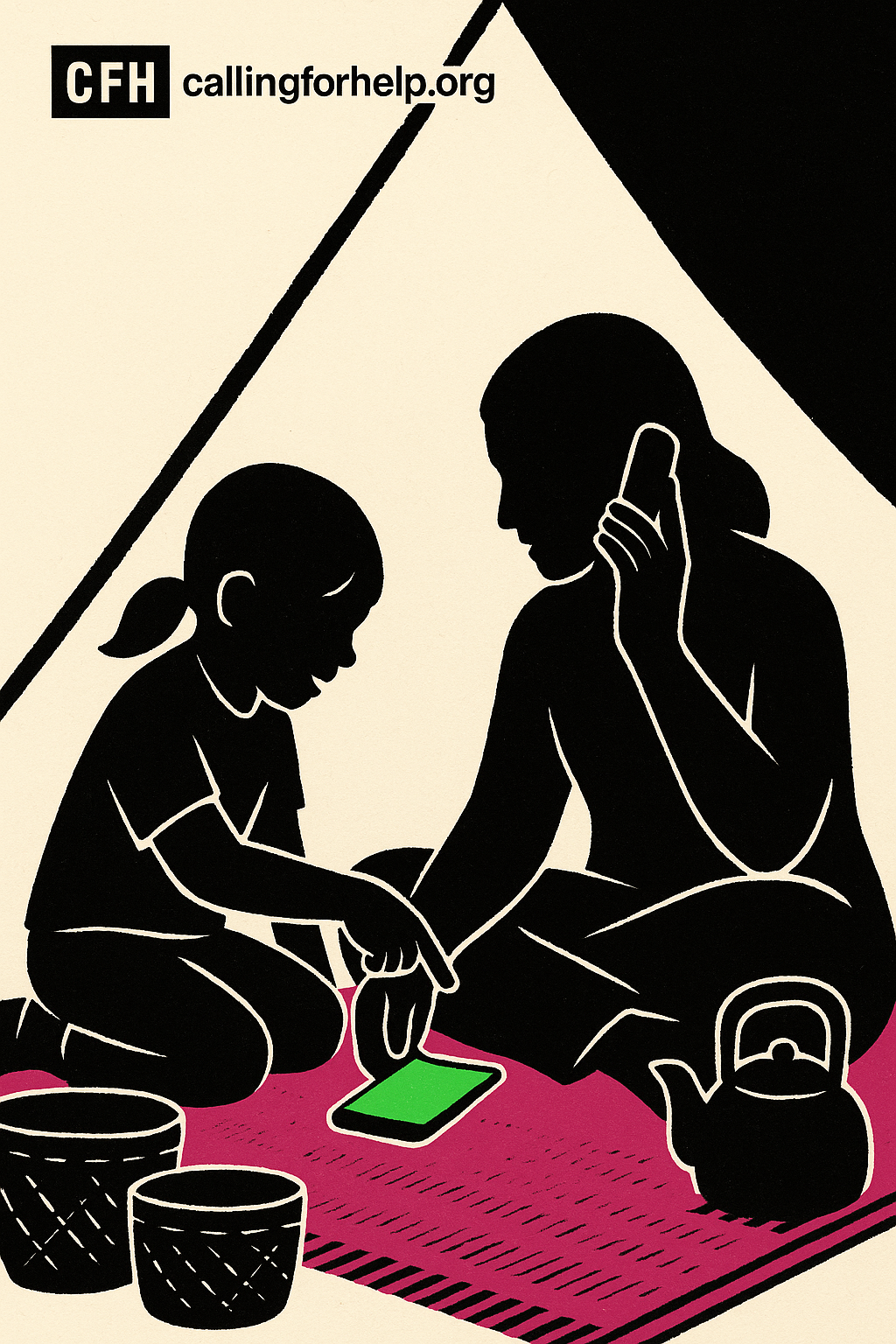
Mobile connectivity becomes the bridge between isolation and adaptation. Telehealth consultations help adults understand their new conditions without traveling to overcrowded medical facilities. Disability community forums provide peer support from others who’ve walked similar paths. Video calls with occupational therapists teach basic daily living skills. Free mobile credit means a recent amputee can join online support groups, a trauma survivor can access mental health apps, and a father with new mobility needs can research assistive technologies for his children.