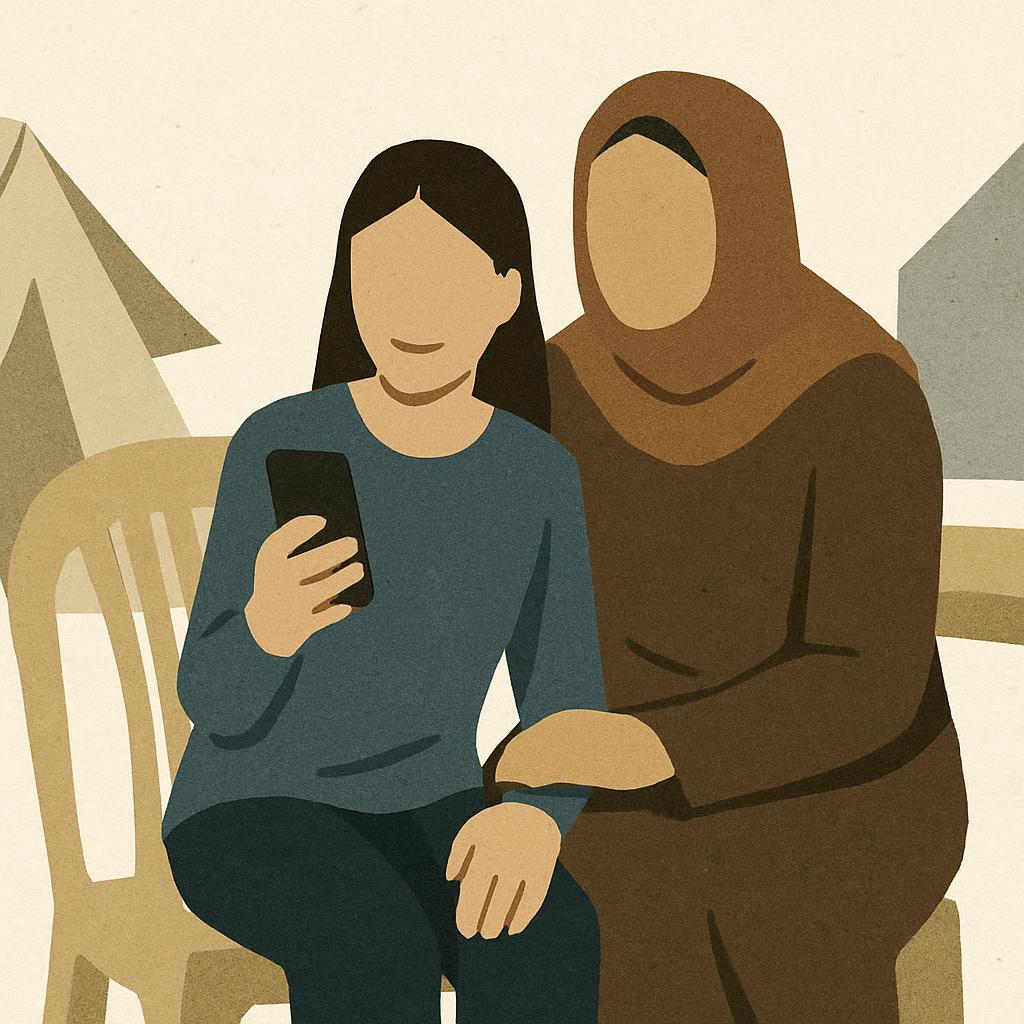
Taliban regulations require Afghan women to travel with a male guardian for journeys over 75 kilometres. For women with disabilities, this doubles an already impossible barrier to accessing basic services.
Mahram Rules Create Prison Conditions
The mahram requirement means women with disabilities cannot reach government offices, health centres, or aid distribution points without a male relative’s permission and presence. Many families refuse these requests, citing shame or inconvenience. In Kabul, UN Women reported that 83% of women with disabilities have lost access to essential services since August 2021. Women who use wheelchairs face additional transport costs their guardians often won’t cover. The result: total isolation from systems designed to help them.
Phone Credit Bypasses Guardian Control
Mobile phone top-ups provide a rare channel for autonomous access when physical movement is restricted. Women with disabilities use credit to contact aid organisations directly, arrange remote consultations with health workers, and access digital banking services. One woman in Herat told researchers she uses her phone to coordinate medication deliveries, bypassing her brother’s refusal to escort her to the pharmacy. Digital connectivity becomes survival infrastructure when public spaces are forbidden territory.
Direct Contact Replaces Blocked Journeys
Public registration for disability benefits and humanitarian aid now requires male accompaniment at every stage. Women with disabilities report waiting months for male relatives to agree to these trips, only to be turned away for missing documentation their guardians forgot to bring. Phone credit allows direct contact with case workers who can guide the process remotely and arrange home visits where possible. When movement itself becomes criminalized, mobile connectivity transforms from convenience to lifeline for women trapped at home.