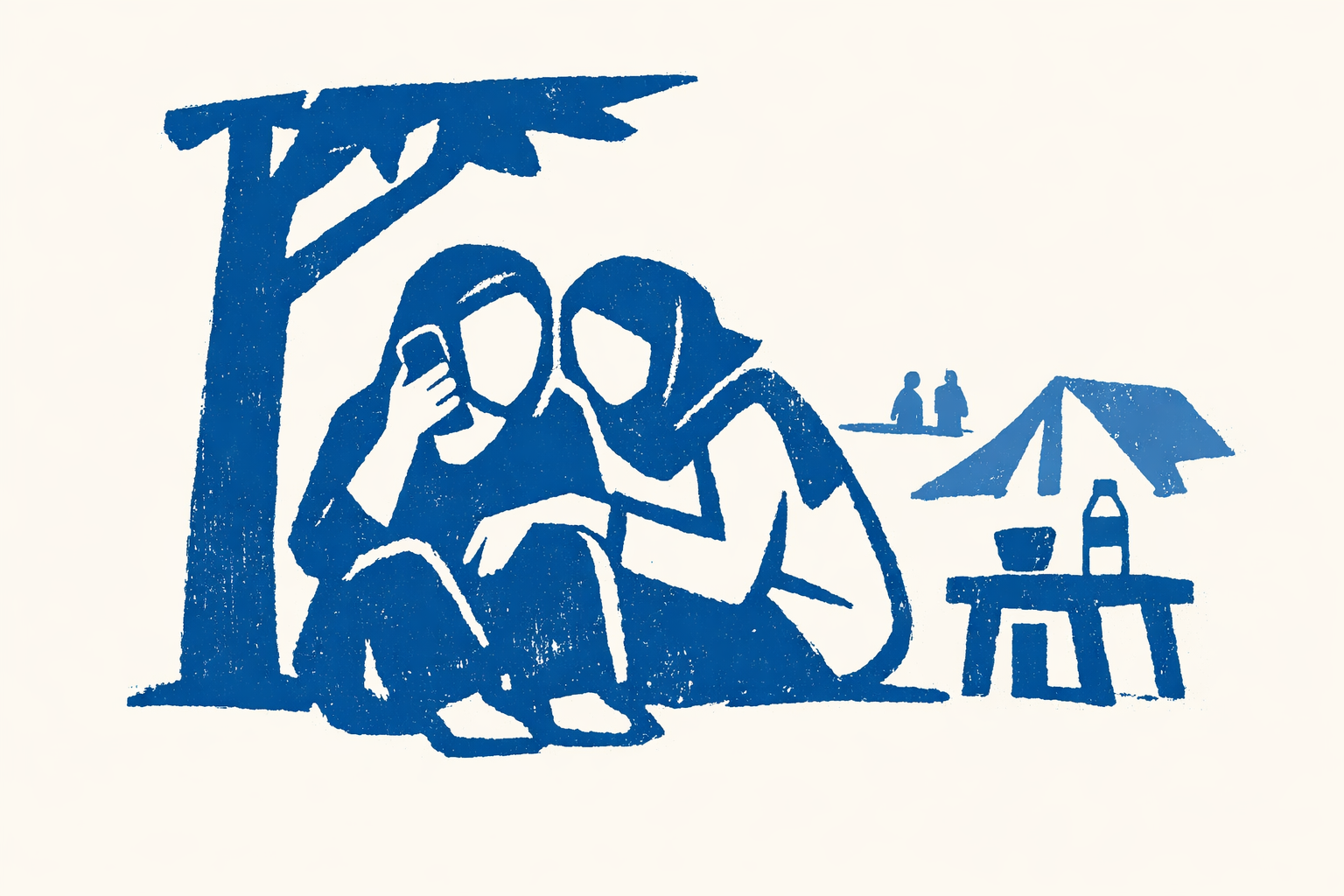
Ahmed fled Syria because he’s gay. He uses a wheelchair after shrapnel damaged his spine. In his new country, he faces three forms of discrimination: xenophobia for being a refugee, homophobia for his sexuality, and ableism for his disability. His phone connects him to the only LGBTQ+ helpline that operates in Arabic.
Intersection creates invisible crisis
LGBTQ+ refugees with disabilities exist at the crossroads of multiple marginalised identities. UK research shows 64% of LGBTQ+ refugees report harassment in accommodation centres. When disability enters the mix, isolation deepens. Physical barriers prevent access to community spaces. Communication barriers block access to information. The digital divide means many can’t reach online support networks that might understand their complex needs.
Mobile phones become safety networks
Specialized LGBTQ+ refugee organizations like Rainbow Railroad and Micro Rainbow operate confidential helplines. But only if you can afford to call them. A 20-minute call to report abuse or seek emergency housing costs £15-20 on some networks. For someone receiving £40 weekly asylum support, that’s impossible. Mobile credit removes this barrier, creating direct access to advocates who understand the unique vulnerabilities of LGBTQ+ refugees with disabilities.
Protection services adapt to phone-first world
Progressive organizations now offer WhatsApp support, encrypted messaging, and scheduled callback services. The European LGBTI Refugees and Asylum Network coordinates across 15 countries via mobile apps. These services recognize that traditional face-to-face support isn’t always safe or accessible for people facing multiple forms of discrimination. Phone connectivity becomes the bridge to specialized protection.
LGBTQ+ refugees with disabilities need more than basic accommodation. They need advocates who understand intersectional discrimination. If you’re an adult refugee with disabilities struggling to access LGBTQ+ support services, apply for mobile credit to connect with specialized protection networks.