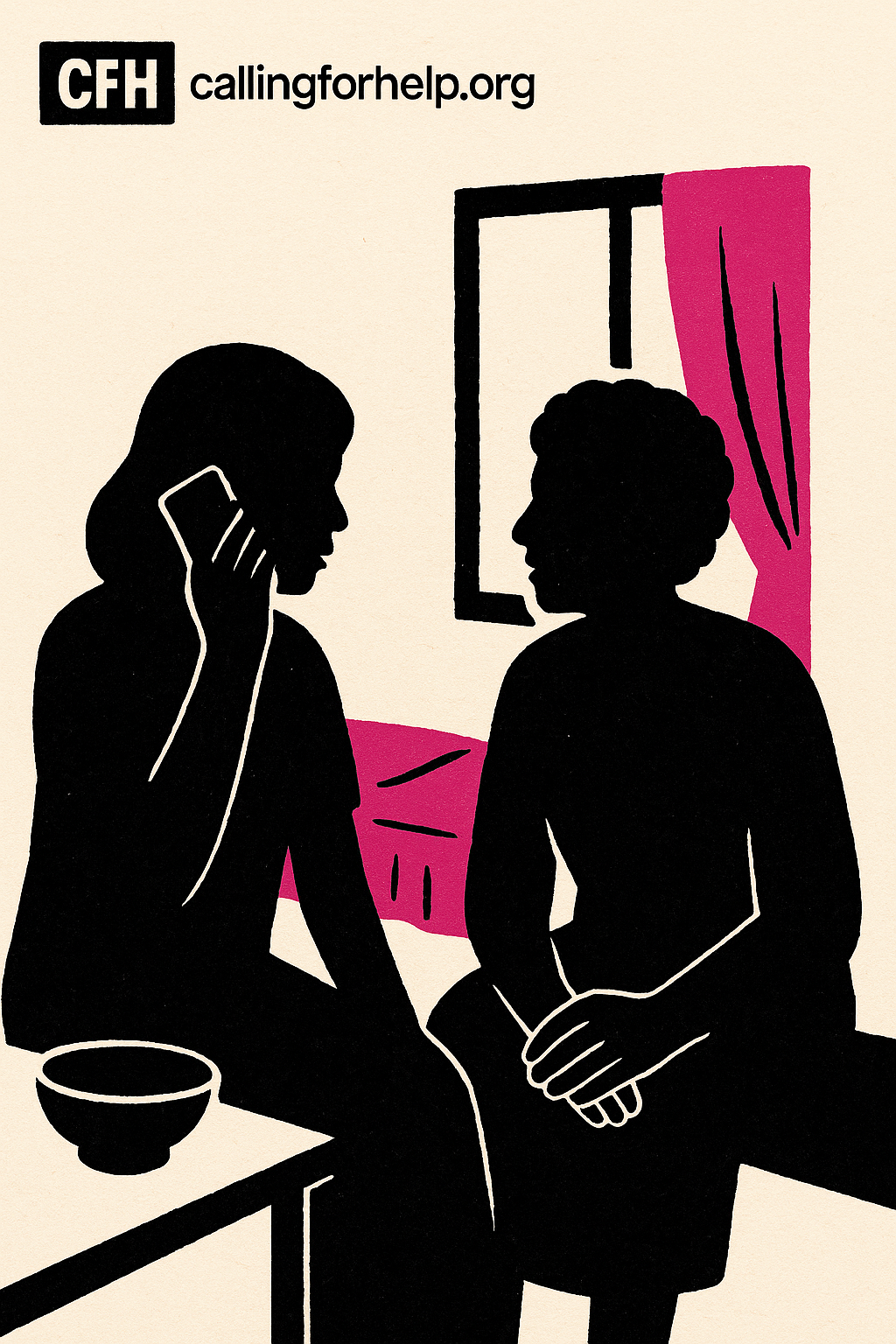
María, a 52-year-old Venezuelan refugee with cerebral palsy, holds a dead phone outside Bogotá’s immigration office. She’s been in Colombia for three years but can’t buy a SIM card without permanent residency – a document she’ll never qualify for because her disability pension doesn’t meet income requirements.
Legal residents only rule blocks basic connectivity
Colombia requires permanent residency or a Colombian ID to purchase SIM cards from major carriers. Venezuelan refugees typically hold temporary protection status, which doesn’t qualify. The process for permanent residency takes 18-24 months and requires proof of stable income – impossible for most refugees with disabilities who can’t work legally. Without SIM cards, they can’t access Colombia’s digital aid systems, bank accounts, or emergency services. Pre-paid cards from street vendors work sporadically and cost triple the official rates.
Digital government, analogue exclusion
Colombia moved all refugee services online in 2023. Disability benefits, food vouchers, and medical appointments require smartphone verification through official apps. These systems demand Colombian phone numbers for two-factor authentication. Refugees with disabilities face a cruel paradox: they can’t get phones to access the digital services that might help them afford phones. The government’s efficiency drive has created systematic exclusion for the most vulnerable populations.
Community networks fill the void
When official systems fail, phone connectivity through informal channels becomes survival infrastructure. Refugees share devices, use café WiFi, and rely on advocacy groups for communication. Free mobile credit helps bridge these gaps, keeping people connected to support networks that understand their needs when governments build digital walls around basic services.