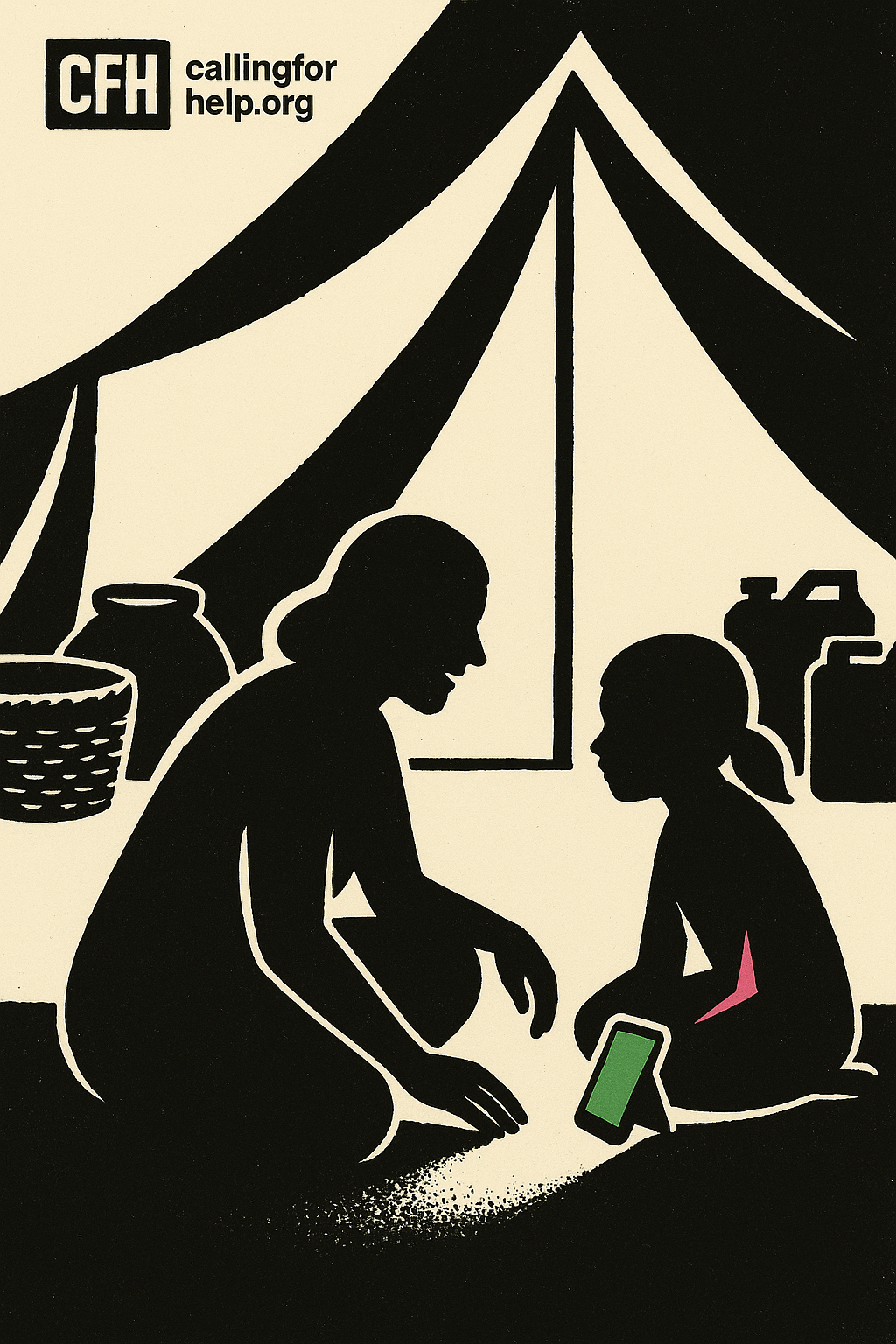
Refugees with disabilities are abandoning clinic chairs for encrypted chat windows. Johns Hopkins’ 2024 Global Refugee Mental Health Study found 84% of adult refugees with disabilities prefer receiving psychological support through messaging apps rather than traditional face-to-face counseling.
Jordan camp proves WhatsApp beats waiting rooms
At Jordan’s Zaatari camp, UNHCR’s pilot program tracked refugees with PTSD accessing therapy through WhatsApp versus clinic visits. The messaging group showed 40% better treatment adherence. Women with disabilities who faced cultural barriers attending mixed-gender facilities could finally access care privately. Adults with mobility impairments no longer needed to travel to distant health centers. The phone became their therapist’s office.
Arabic chatbots serve 127,000 across Middle East
Médecins Sans Frontières reports their Arabic-language mental health chatbots now serve 127,000 refugees across the Middle East. Usage spikes among those with hearing impairments who struggle with spoken therapy. But the digital divide cuts deep: refugees who cannot afford regular phone credit miss sessions and lose therapeutic momentum. Their mental health deteriorates not from lack of treatment options, but from empty phone balances.
Phone credit becomes medical infrastructure
The study recommends treating mobile credit as medical infrastructure—equivalent to providing medications or medical equipment for effective healthcare delivery. When a refugee with depression cannot afford to top up their phone, they lose access to their therapist as surely as if their clinic closed. Calling for Help recognizes this reality: phone connectivity isn’t luxury tech for refugees with disabilities, it’s essential mental health infrastructure that keeps treatment flowing when everything else fails.