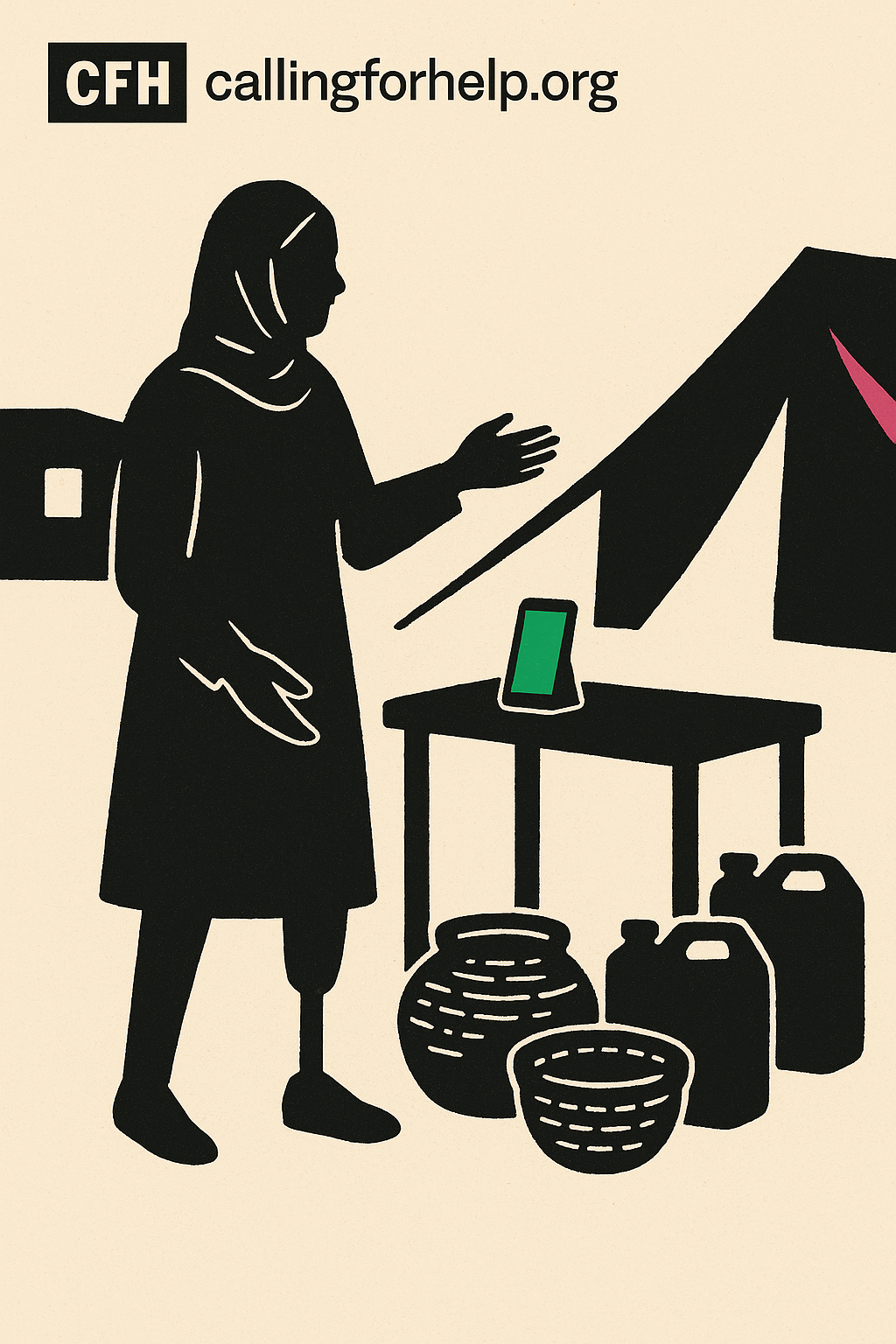
Refugees with disabilities are building businesses at twice the rate of other refugees, generating £667 million in economic activity across Jordan, Lebanon, Kenya, and Uganda, according to groundbreaking Oxford research.
The Hidden Economy Takes Shape
Oxford’s Refugee Studies Centre tracked refugee-owned businesses from 2025-2026 and found a stark pattern: 34% of successful ventures belonged to entrepreneurs with disabilities, despite this group representing just 16% of the refugee population. These businesses created 23,400 jobs for refugees and host community members alike. In Zaatari refugee camp, Ahmad, a Syrian amputee, serves 3,000 customers monthly through his mobile phone repair business, coordinating entirely through WhatsApp Business. Meanwhile in Dadaab, Fatima, a deaf Somali refugee, runs an online tailoring service using video calls with customers across East Africa.
Phone Credit as Working Capital
The common thread connecting these success stories? Mobile connectivity. Phone credit functions as working capital for these entrepreneurs—enabling customer communication, payment processing through mobile money systems, and marketing via social media platforms. These business owners bypass traditional employment discrimination by creating their own economic opportunities. Yet UNHCR data reveals that 89% of business registration systems remain inaccessible to people with disabilities, forcing these thriving enterprises to operate informally without legal protections or access to formal banking.
Breaking the Aid Dependency Myth
This research demolishes assumptions about refugees with disabilities as permanent aid recipients. These entrepreneurs leverage unique perspectives and adaptive skills developed through lived experience. Mobile phones become their storefronts, offices, and payment systems combined. However, inaccessible registration processes deny them business licenses, formal banking, and legal protections. Reliable phone connectivity remains their lifeline to customers, suppliers, and the broader economy—transforming credit top-ups into business investments that create employment for entire communities.