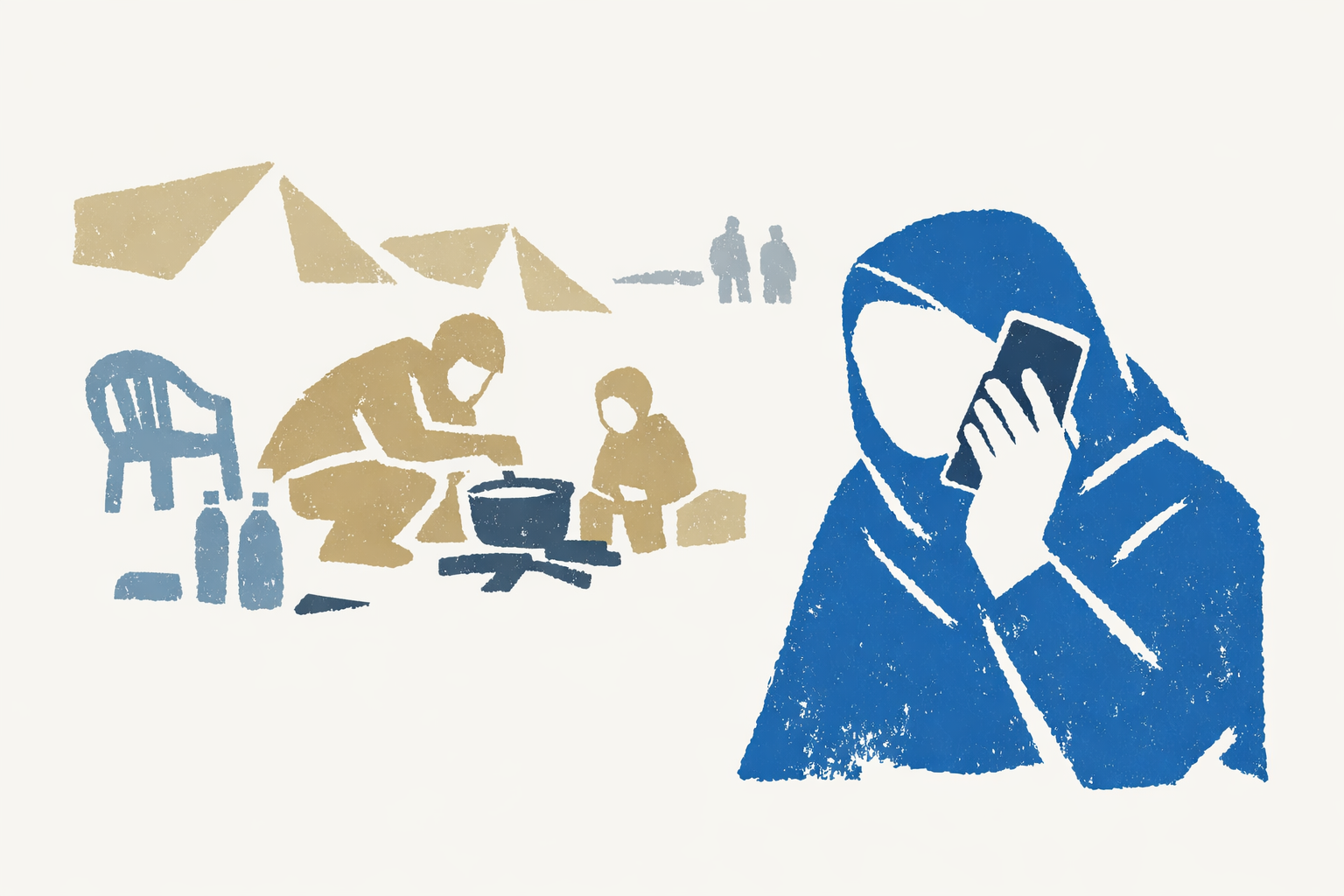
The siege of el-Fasher has trapped 800,000 people, but 128,000 of them face a brutal arithmetic: they physically cannot run when the shells fall. People with disabilities represent 16% of those caught in active conflict zones, yet evacuation plans rarely account for wheelchairs that won’t fit in pickup trucks or blind refugees who need guided assistance through militia checkpoints.
When Standard Evacuation Routes Fail
El-Fasher’s displacement crisis exposes how conflict evacuation systems ignore basic accessibility. The Rapid Support Forces surrounded the city in May, cutting off most escape routes. Standard evacuation means climbing into the back of a truck and hoping for the best. But what happens when you can’t walk to the truck? When you can’t hear the evacuation warnings? When your medication runs out and no one thinks to plan for insulin in emergency supply drops?
Mobile Phones Bridge the Gap
A working mobile connection becomes the difference between death and specialized rescue for refugees with disabilities. Through phone calls, they can contact disability-focused NGOs who arrange accessible transport, communicate specific medical needs to evacuation coordinators, and request sign language interpreters for checkpoint crossings. The digital divide hits hardest when your disability makes you invisible to standard emergency response. One phone call can mean the difference between being left behind and getting the targeted assistance that makes evacuation possible.
If you’re a refugee with a disability facing displacement, apply for mobile credit to maintain contact with specialized evacuation services.