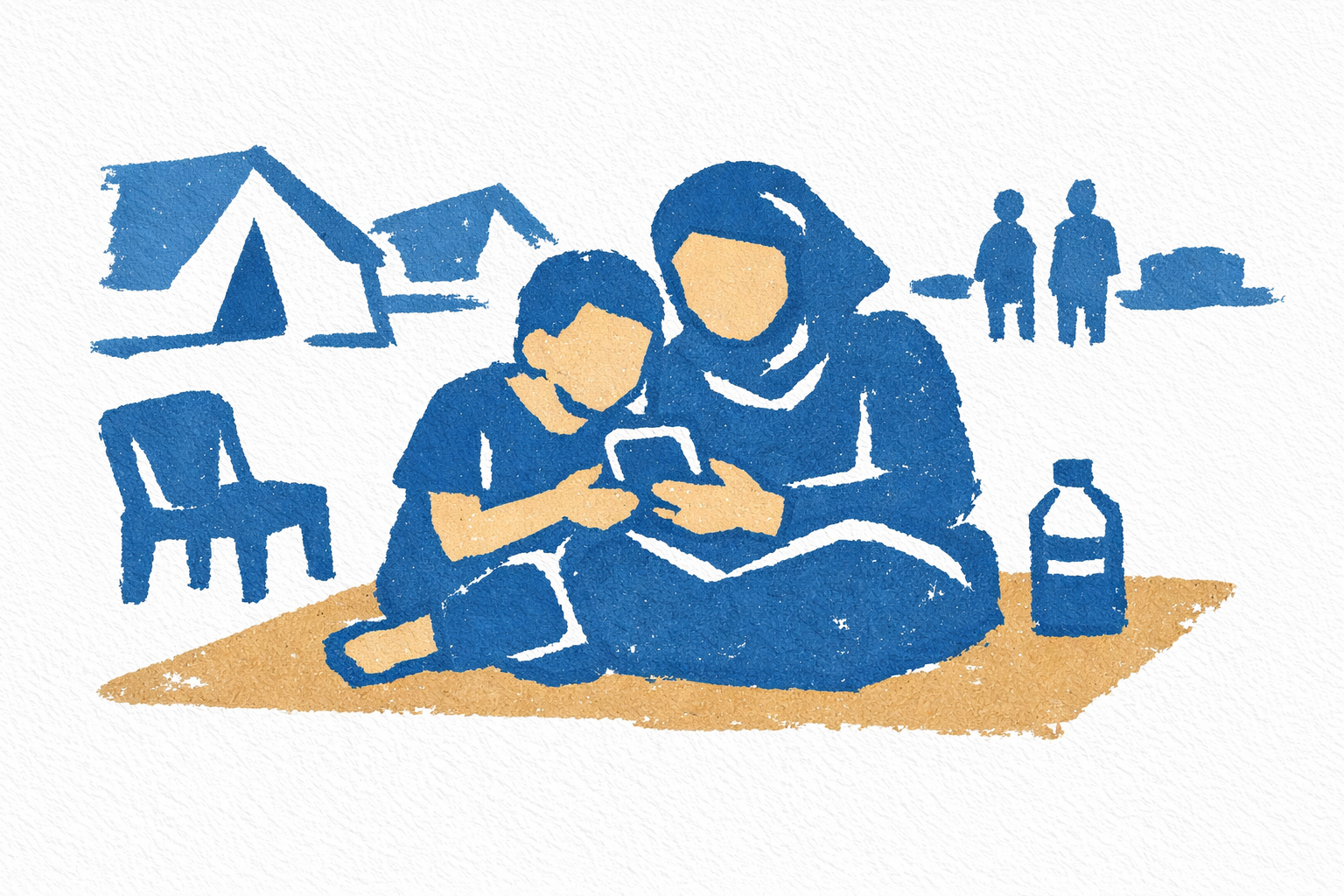
A devastating 2025 multi-agency study reveals that 42% of refugee households with disabled family members are systematically excluded from food assistance programmes due to faulty registration systems that fail to capture disability status.
Registration Systems Miss Critical Information
The study, conducted across 47 refugee settlements in Jordan, Lebanon, and Uganda, found that intake forms routinely classify families based on visible markers alone. Households caring for adults with intellectual disabilities, chronic illnesses, or sensory impairments slip through assessment cracks. In Zaatari camp, researchers documented 312 families with adults with disabilities receiving partial or no food rations because their needs weren’t recorded during initial registration. These families often lack advocates who understand the system well enough to challenge incorrect categorizations.
Phone Access Changes Everything
When refugee families can afford consistent phone connectivity, they bypass broken bureaucracy entirely. Mobile credit allows them to contact WFP hotlines directly, dispute incorrect classifications, and demand reassessment. One Syrian father in Lebanon’s Bekaa Valley used his phone to document his wife’s diabetes-related blindness, uploading medical records that registration officers had previously ignored. Within three weeks, his family’s food assistance doubled. Phone access isn’t just communication – it’s advocacy power in the palm of your hand.
Breaking Through Bureaucratic Barriers
Aid agencies maintain complaint mechanisms, but only for people who can reach them. Families cut off from phone networks remain invisible to accountability systems. Mobile credit transforms passive aid recipients into active rights defenders. Each successful challenge ripples outward – one corrected case forces agencies to review their entire classification process. Phone connectivity doesn’t just solve individual problems. It exposes systematic failures that affect thousands.
If you’re a refugee with a disability who needs help staying connected to vital services, apply for free mobile credit here.