The Global Disability Innovation Hub’s latest study exposes a brutal truth: 89% of humanitarian AI tools fail basic accessibility standards, cutting off 2.8 million adult refugees with disabilities from digital aid. The numbers don’t lie — and they’re damning.
Voice Recognition Fails Speech-Impaired Users
Researchers examined 156 humanitarian apps across 34 organizations and found voice recognition systems producing 67% higher error rates for refugees with speech impairments. ChatGPT-powered aid chatbots can’t process sign language videos, leaving deaf refugees talking to walls. Meanwhile, visual interfaces lack screen reader compatibility, rendering them useless for blind users navigating asylum processes.
Complex Apps Create Cognitive Barriers
Médecins Sans Frontières reports that adult refugees with cognitive disabilities struggle with byzantine app interfaces, often requiring multiple attempts to complete basic aid applications. The digital divide isn’t just about internet access — it’s about designing systems that actually work for everyone. The EU’s AI Act mandates accessibility by 2027, but humanitarian exemptions mean refugee aid tools dodge regulation entirely.
Phone Credit Cuts Through Digital Discrimination
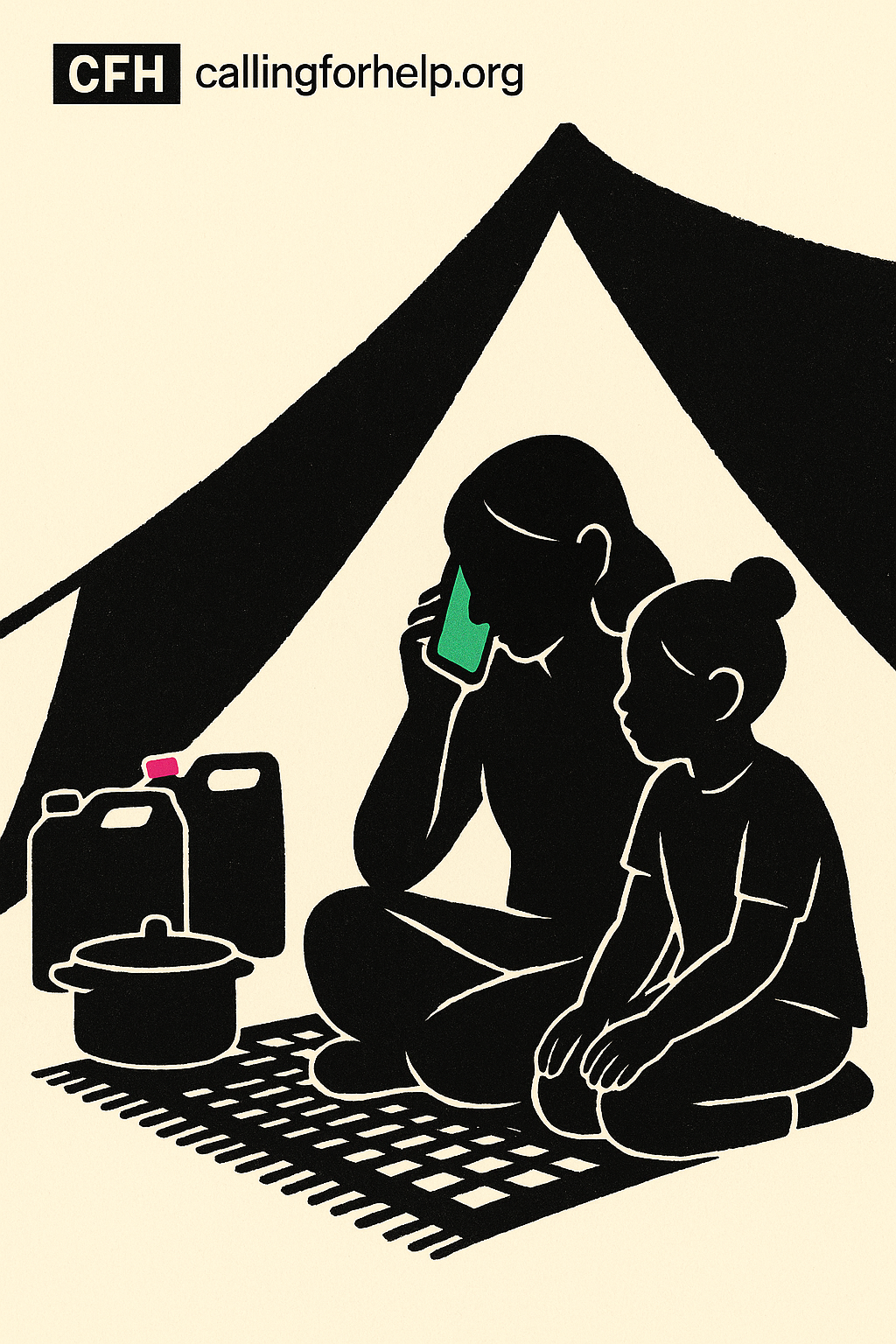
While tech companies build increasingly complex barriers, phone credit top-ups offer a direct route past this digital discrimination. A refugee with autism doesn’t need to navigate seventeen menu screens to reach help — they can call. A blind asylum seeker doesn’t need screen reader compatibility — they can speak to humans who understand their needs. Sometimes the most advanced solution is the simplest one. Apply for phone credit support and bypass the broken systems entirely.