Only 127 certified sign language interpreters serve 184,000 deaf adult refugees worldwide. UNHCR data shows an 890% gap between need and availability across major displacement sites, creating life-threatening communication barriers during medical emergencies and legal proceedings.
When Syrian and Sudanese Deaf Refugees Share Camps but Cannot Communicate
The crisis deepens in mixed refugee populations. Syrian deaf adults in Jordan cannot communicate with Sudanese deaf refugees despite sharing camp facilities – each group uses different sign languages. Traditional interpreter sessions cost $180-300 each, pricing out most humanitarian organizations. A medical emergency becomes a silent emergency when no interpreter speaks the right sign language.
Video Relay Services Cut Through Language Barriers
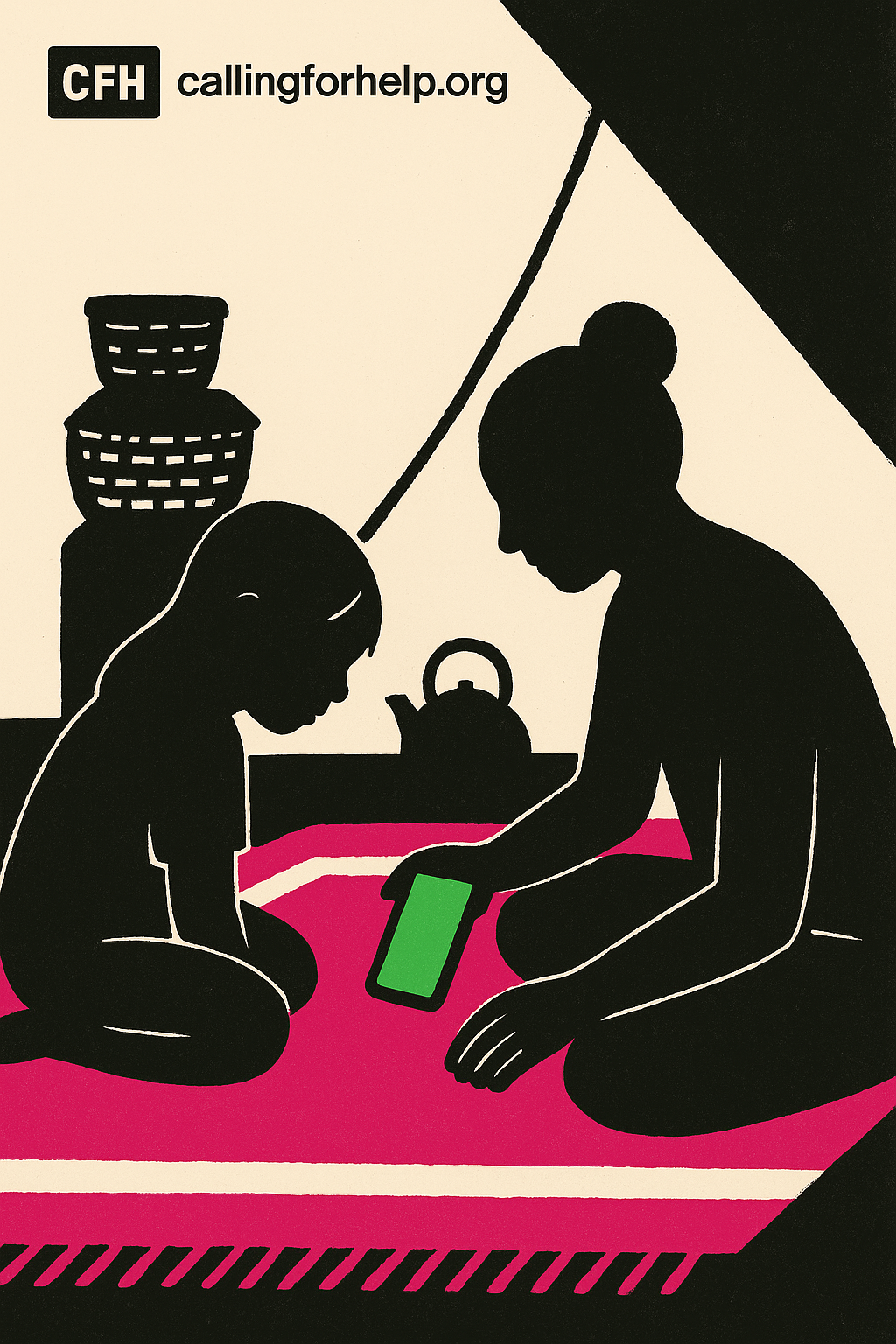
Mobile credit transforms this landscape. Deaf refugees with smartphones can now access video relay services, connecting to certified interpreters remotely rather than waiting months for in-person sessions. AI-powered sign language apps show 76% accuracy for basic humanitarian vocabulary, while visual communication through texting, photos, and video calls keeps families connected. The digital divide becomes the difference between isolation and access.
Credit Becomes Communication Infrastructure
Phone credit isn’t just connectivity for deaf refugees – it’s interpretation infrastructure. Video calls require data, texts need airtime, and remote interpreter services demand reliable connection. When traditional sign language support fails, mobile credit enables the visual communication methods that overcome barriers in displacement contexts. The smartphone becomes the interpreter when no human interpreter exists.